
The moment an auditor requests a specific document from three years ago is a true test of your systems. Finding it quickly and proving its integrity, including who accessed it and when, isn't just good practice; it's a legal necessity in many industries. Without a structured approach, what should be a simple request can spiral into a frantic, high-stakes search that exposes significant compliance gaps.
Managing a portfolio of sensitive documents is far more than just storing files. It’s about creating a living, breathing system that enforces rules, tracks access, and automatically handles the lifecycle of information according to strict legal standards. This is the foundation of a modern regulatory compliance portfolio.
Table of Contents
Why a Compliance Portfolio is Non-Negotiable
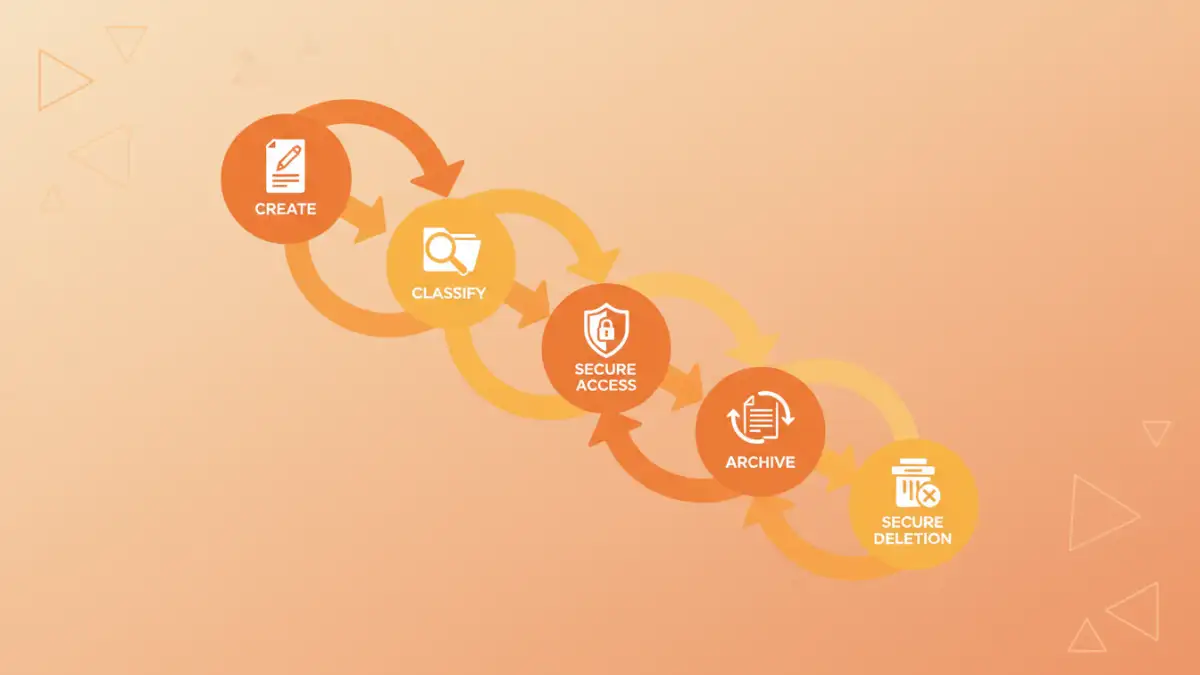
Failing to manage documents according to regulations like GDPR, HIPAA, or Sarbanes-Oxley (SOX) isn't a minor administrative error. The consequences are severe, ranging from crippling fines that can threaten a company's financial stability to lasting reputational damage that erodes customer trust. I've seen teams scramble during audits, wasting hundreds of hours trying to piece together a document's history because they lacked a coherent system.
A well-structured regulatory compliance portfolio mitigates these risks. It provides a single source of truth, ensuring that every sensitive document is accounted for, properly secured, and accessible only to authorized personnel. This proactive stance transforms audits from a source of anxiety into a routine validation of your robust processes.
Core Pillars of Document Management for Compliance
Effective document management for compliance rests on several key principles. These aren't just technical features but foundational concepts that dictate how information is handled throughout its lifecycle, from creation to disposal.
Granular Access Control and Authentication
Not everyone in your organization needs access to every file. The principle of least privilege is paramount for HIPAA file security and other regulations. Modern systems should allow for role-based access control (RBAC), where permissions are tied to an employee's job function. For instance, a clinician needs access to patient records, but an IT administrator should only access them for system maintenance, with every action logged in an immutable audit trail.
Data Encryption and Integrity
Data must be protected both at rest (when stored on a server or drive) and in transit (when sent over a network). Encryption renders data unreadable to unauthorized parties, acting as a critical last line of defense in a data breach. Furthermore, ensuring document integrity through mechanisms like digital signatures or checksums proves that a file has not been altered since it was last approved, which is crucial for legal and financial records.
Building Your Document Retention Policy
A cornerstone of compliance is knowing how long to keep documents and when to securely destroy them. A document retention policy is a formal guideline that dictates these timeframes based on legal requirements and business needs. Holding onto data for too long can be just as risky as deleting it too soon.
For example, effective GDPR document management requires that personal data not be kept longer than necessary for the purpose it was collected. In contrast, financial records under SOX may need to be retained for seven years. Your policy must be specific, documented, and consistently enforced. It should clearly define categories of documents (e.g., contracts, employee records, financial reports) and assign a specific retention period to each.
The policy should also outline the procedures for secure disposal. Simply deleting a file is often not enough; data destruction methods must ensure the information is unrecoverable. Automating this process through a Document Management System (DMS) is the most reliable way to enforce the policy consistently across the organization.
Implementing Technology for Secure Management
Relying on shared drives and manual tracking is a recipe for non-compliance. Modern technology provides the tools needed to automate and enforce your policies at scale. The right technology stack is essential for maintaining strong document security for compliance.
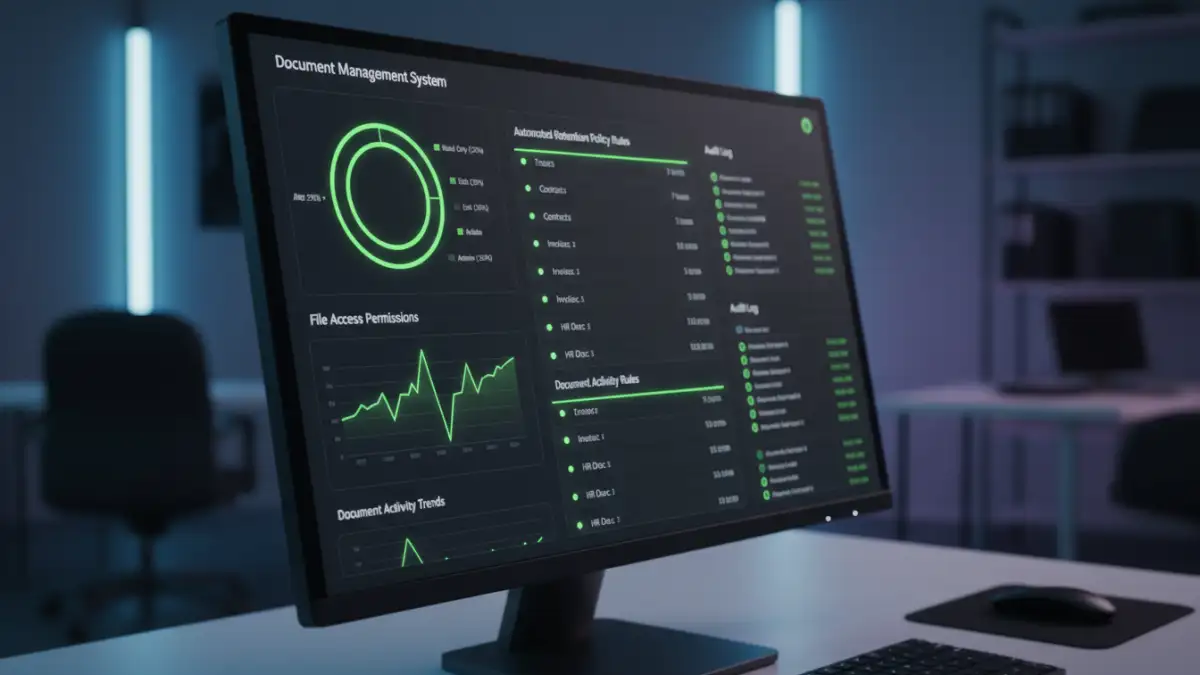
Document Management Systems (DMS) are central to this effort. They provide a centralized repository with version control, audit trails, access controls, and automated retention schedules. When a document is added, metadata can be applied to classify it, automatically triggering the correct retention and access rules. This removes human error from the equation.
Beyond a DMS, other tools like Data Loss Prevention (DLP) solutions can monitor and block unauthorized attempts to share sensitive information outside the company network. These systems work together to create a secure, transparent, and auditable environment for your entire document portfolio, ensuring you're always prepared for scrutiny.
Regulatory Framework Comparison
| Regulation | Key Document Requirement | Retention Period Example | Access Control Focus |
|---|---|---|---|
| GDPR | Records of processing activities, data protection impact assessments. | As long as necessary for the specified purpose. | Ensuring access is limited to legitimate processing purposes. |
| HIPAA | Protected Health Information (PHI), policies, and procedures. | 6 years from date of creation or last effective date. | Strict role-based access to prevent unauthorized viewing of PHI. |
| SOX | Financial records, internal audit reports, electronic communications. | 7 years for audit work papers and supporting records. | Preventing tampering and ensuring integrity of financial data. |
| CCPA/CPRA | Records of consumer requests and responses. | At least 24 months. | Verifying consumer identity before granting access to personal data. |