
With the constant threat of data breaches, robust document security has shifted from a 'nice-to-have' to a fundamental business requirement. While many are familiar with simple password protection for PDFs, this approach quickly breaks down in a corporate environment. Managing hundreds or thousands of documents with individual passwords is a logistical nightmare and a security risk waiting to happen.
This is where dedicated enterprise-level solutions come into play. They move beyond simple passwords, offering a centralized, policy-driven framework for protecting sensitive information at scale. It's about creating a comprehensive security posture for documents, whether they are at rest on a server or in transit to a client.
Table of Contents
Why Standard PDF Protection Fails Enterprises
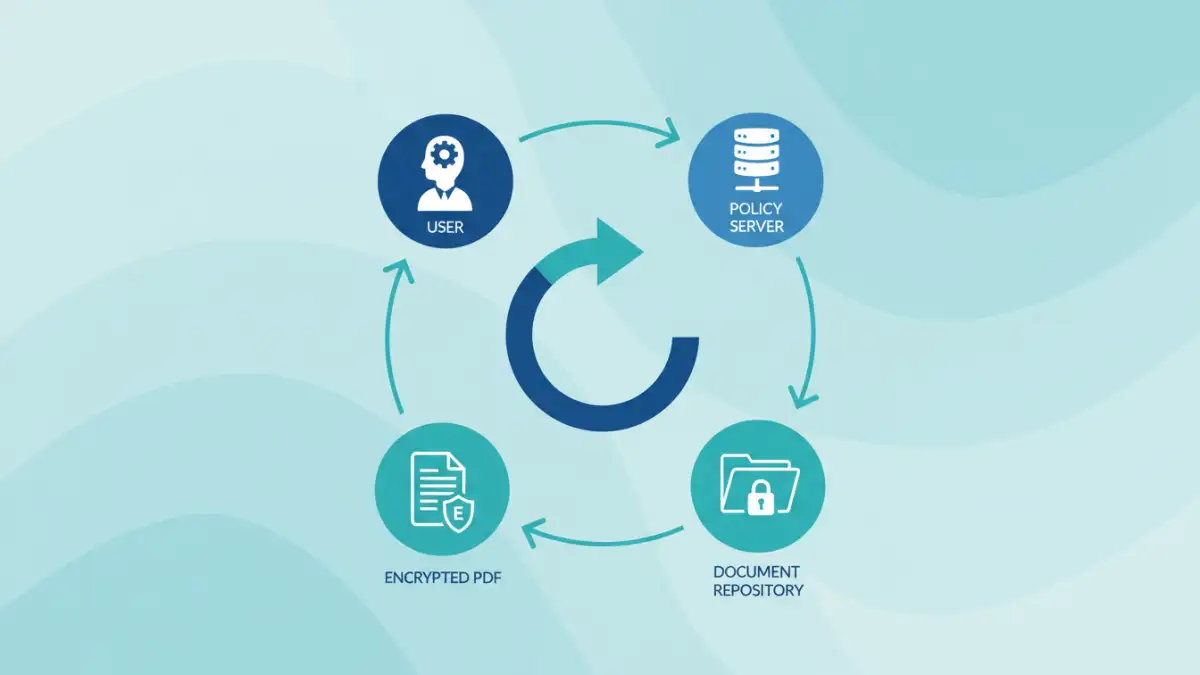
The standard password protection feature in PDF readers is designed for individual use, not for the complexities of a large organization. Relying on this method for corporate document security introduces significant vulnerabilities and operational inefficiencies that can expose a company to risk.
Scalability and Management Issues
Imagine a finance department with thousands of reports, each needing restricted access. Using individual passwords means creating, communicating, and managing thousands of unique credentials. This process is not only inefficient but also highly insecure. Employees might reuse passwords, write them down, or share them insecurely, completely undermining the protection.
Lack of Audit Trails and Compliance
A critical requirement for any enterprise security tool is the ability to track and audit access. Who opened a document? When? From where? Standard password protection offers no answers. For industries governed by regulations like GDPR, HIPAA, or SOX, this lack of an audit trail is a non-starter, making compliance impossible to prove.
Core Components of an Enterprise Solution
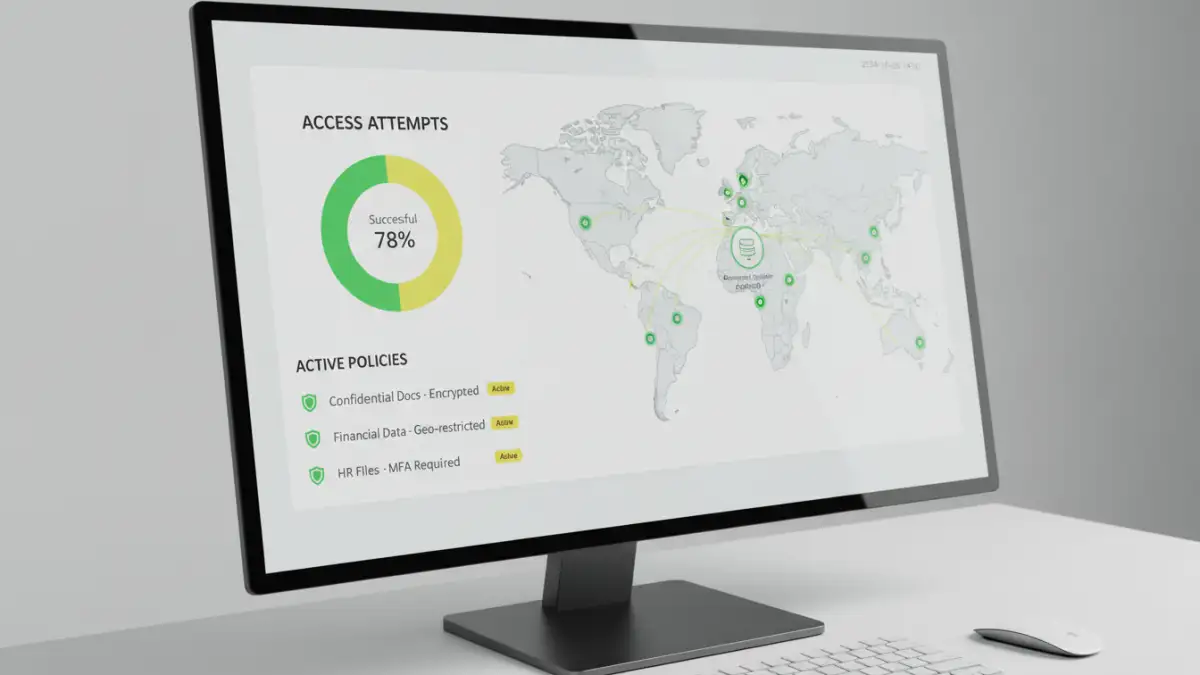
A true enterprise PDF encryption solution is far more than just a password tool. It's an integrated system built around centralized control and dynamic policy enforcement. These platforms provide the granular control necessary for managing large scale PDF security effectively.
Centralized Policy Management
The heart of any enterprise solution is a central console for defining security policies. Administrators can create rules based on user roles, groups, document sensitivity, or even IP address. For example, a policy could state that only users in the 'Executive' group can print a document classified as 'Confidential'. This policy is then automatically applied to all relevant documents, ensuring consistent enforcement without manual intervention.
Integration Capabilities
Modern security is about building a layered defense. An effective PDF protection platform must integrate seamlessly with other core enterprise systems. This includes Identity and Access Management (IAM) for user authentication, Data Loss Prevention (DLP) systems to prevent unauthorized data exfiltration, and content management systems where documents are stored. This integration creates a cohesive security ecosystem rather than isolated silos.
Key Players and Solutions in the Market
The corporate document security market is diverse, with solutions ranging from add-ons for existing platforms to dedicated Digital Rights Management (DRM) systems. Understanding the different categories is key to selecting the right fit for your organization's needs.
Some solutions, like Adobe Experience Manager Forms, offer robust document security as part of a larger content management ecosystem. These are ideal for organizations already invested in that platform. Other vendors specialize purely in DRM, providing powerful, granular control over document permissions, including preventing screen captures, revoking access remotely, and applying dynamic watermarks. Cloud-based platforms also offer scalable solutions, integrating with services like SharePoint or Box to apply protection policies automatically as documents are created or shared.
Implementation and Adoption Challenges
From my experience deploying these systems, the biggest hurdles are often human, not technical. The technology itself is usually sound, but a successful rollout depends on careful planning and change management. One of the primary challenges is user friction. If a security measure makes it too difficult for employees to do their jobs, they will inevitably find workarounds.
To mitigate this, it's crucial to involve stakeholders from different departments early in the selection process. A phased rollout, starting with a pilot group, can help identify usability issues before a company-wide deployment. Clear communication and training are also essential. Users need to understand why the new system is necessary and how to use it properly. Without this buy-in, even the most advanced enterprise pdf encryption platform can fail to deliver its intended security benefits.
Enterprise Encryption Solution Comparison
| Solution Type | Key Features | Best For | Potential Drawbacks |
|---|---|---|---|
| Integrated Platform Modules (e.g., Adobe AEM) | Seamless integration with existing workflows, centralized user management. | Companies heavily invested in a specific content or experience platform. | Can be expensive; features may be tied to the broader platform's ecosystem. |
| Dedicated DRM Solutions | Granular control, remote access revocation, dynamic watermarking, anti-screen capture. | Organizations with highly sensitive IP or strict compliance needs (legal, finance). | Can introduce user friction; may require dedicated client software. |
| Cloud-Based Security Services | Easy deployment, scalable, integrates with cloud storage (Box, SharePoint). | Cloud-first organizations and businesses needing flexible, OPEX-based models. | Data residency and privacy concerns; reliance on third-party provider. |
| DLP-Integrated Encryption | Policies are tied to data classification and discovery rules. | Companies with mature Data Loss Prevention strategies. | Effectiveness is dependent on the accuracy of the underlying DLP system. |