
A major shift is happening in Europe's digital landscape. The upcoming eIDAS 2.0 regulation is set to redefine how we manage our digital identities and, by extension, how we interact with services online. For anyone involved in handling official documents, this change is particularly significant, as it introduces a new framework for trust, security, and user control.
From a developer's perspective, this isn't just another API to integrate; it's a fundamental change in the architecture of digital trust. The introduction of the European Digital Identity Wallet (EUDIW) puts users squarely in control of their own data, moving away from fragmented, service-specific logins towards a unified, secure identity system. This has massive implications for everything from banking to signing legal contracts.
Table of Contents
Understanding eIDAS 2.0
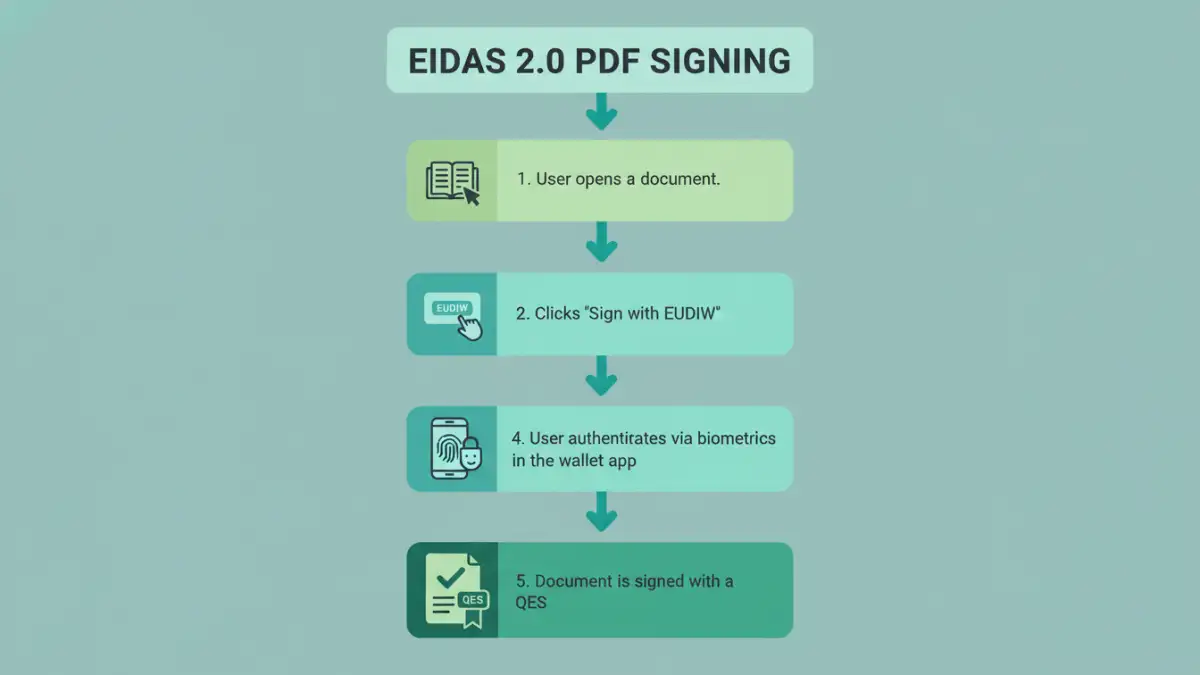
The original eIDAS (electronic IDentification, Authentication and trust Services) regulation, established in 2014, was a landmark piece of legislation. It created a standardized legal framework for electronic signatures, seals, and other trust services across the European Union, making cross-border digital transactions more reliable.
However, the digital world has evolved rapidly. eIDAS 2.0 is an update designed to address the modern need for a more user-centric and mobile-friendly approach to digital identity. It mandates that each EU member state offer at least one EUDIW to its citizens, creating a harmonized system for digital identification that is recognized everywhere in the EU.
From eIDAS to eIDAS 2.0: Key Differences
The primary evolution is the shift from a service-provider model to a user-controlled model. Under the original eIDAS, trust services were the central players. With eIDAS 2.0, the EUDIW becomes the core component, empowering individuals to manage and share their identity attributes securely and selectively. This means you can prove your age without revealing your date of birth, or share your address without showing your entire ID card.
The EU Digital Identity Wallet
The EUDIW is a personal digital wallet app that will allow citizens to store and use their digital identity and other official documents (like a driver's license or university diploma). It's designed to be secure, private, and entirely under the user's control. This wallet will be the primary tool for authenticating identity and providing Qualified Electronic Signatures (QES), the highest legal standard for electronic signatures in the EU.
How eIDAS 2.0 Transforms Document Signing
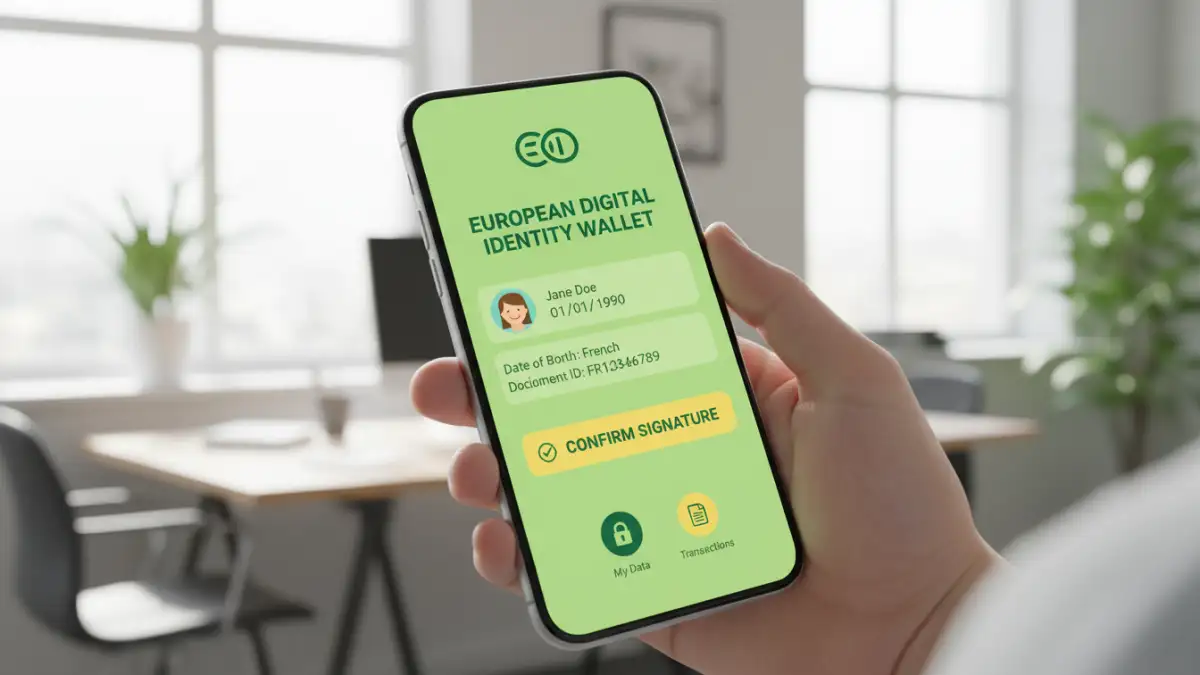
The biggest impact of eIDAS 2.0 on document workflows is the integration of the EUDIW for creating electronic signatures. This simplifies the process for users while dramatically increasing the security and legal standing of the signature itself. It standardizes the experience across the entire single market.
Previously, creating a QES often required dedicated hardware like a smart card reader or a specific USB token. It was a cumbersome process that hindered widespread adoption. eIDAS 2.0 aims to make creating a QES as simple as authenticating with your phone, using the biometrics or PIN you already use daily. This accessibility will likely make QES the new standard for important transactions.
The Role of the EU Digital Identity Wallet (EUDIW)
Think of the EUDIW as the bridge between your verified, real-world identity and the digital services you use. When a platform requires a signature on a PDF contract, it will redirect you to your wallet app for authentication. The wallet will handle the cryptographic processes in the background, linking your verified identity to the document and creating a legally binding signature.
This process ensures that only the intended person can sign, as the authentication is tied directly to their personal device and credentials. The wallet becomes the single source of truth for your identity, streamlining interactions and enhancing overall EU document security. It's a significant step forward for building a trustworthy digital environment.
User Control and Selective Disclosure
A key principle I find compelling as an engineer is 'selective disclosure'. The wallet allows users to share only the minimum necessary information. For a document that just needs an age verification, you can prove you are over 18 without sharing your full birthdate. This data minimization is a core tenet of modern privacy regulations like GDPR and is baked directly into the eIDAS 2.0 framework.
Practical Implications for Businesses and Developers
For businesses operating in the EU, adapting to eIDAS 2.0 is not optional—it's essential for future-proofing operations. Any service requiring strong customer authentication or legally binding signatures will need to integrate with the EUDIW framework. This will involve updating authentication flows and signature workflows to support the new protocols.
Developers will need to become familiar with the Architecture and Reference Framework (ARF) that outlines the technical specifications for the wallet. While this presents a learning curve, the long-term benefit is a simplified and standardized method for identity verification and signing. This will reduce the burden of managing disparate identity systems and lower the risk of fraud. Ultimately, it provides a clear path for implementing secure PDF signing Europe-wide with a consistent, high-assurance method.
eIDAS 1.0 vs. eIDAS 2.0: A Comparison for Signatures
| Feature | eIDAS 1.0 | eIDAS 2.0 |
|---|---|---|
| Primary Focus | Trust Service Providers (TSPs) | User-centric via the EU Digital Identity Wallet (EUDIW) |
| QES Creation | Often required separate hardware (smart cards, USB tokens) | Integrated into the EUDIW on personal devices (e.g., smartphones) |
| User Experience | Could be complex and fragmented across different providers | Streamlined, mobile-first, and consistent across the EU |
| Identity Management | Decentralized, managed by various private and public entities | Centralized in the user's personal EUDIW |
| Data Sharing | Full identity documents often required | Supports selective disclosure of attributes (e.g., prove age only) |
| Legal Recognition | Established legal equivalence for electronic signatures | Builds upon the existing framework, making QES more accessible |