
A CTO once asked me if we could build a system to log every single file an employee opened, when they opened it, and for how long. From a purely technical standpoint, the answer was yes. But that question immediately raised a more critical one: just because we can, does that mean we should? This scenario highlights the delicate balance between protecting company assets and respecting employee privacy.
Monitoring employee document access isn't inherently wrong; it's often a necessary component of a robust security strategy. The challenge lies in implementing it ethically, transparently, and in a way that fosters trust rather than suspicion. It's about shifting the mindset from surveillance to stewardship of data.
Table of Contents
The Line Between Security and Surveillance
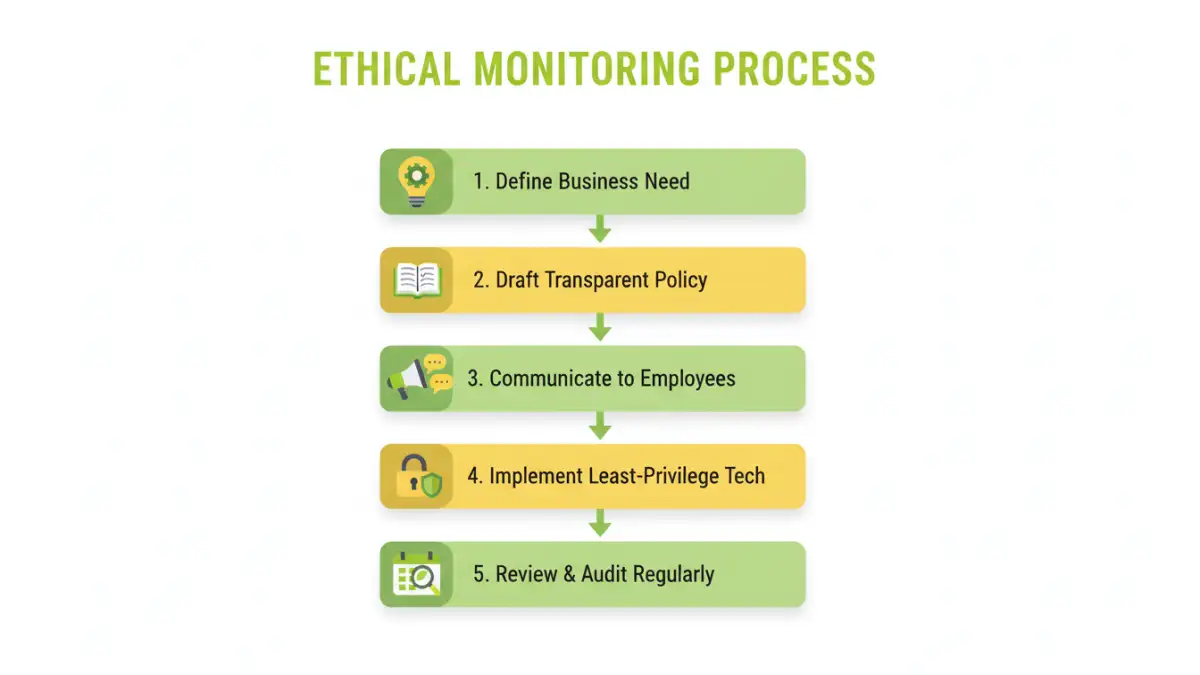
Every organization has a legitimate interest in protecting its intellectual property, financial data, and sensitive customer information. Data breaches, whether malicious or accidental, can be catastrophic. Monitoring who accesses what data is a fundamental part of mitigating these risks and meeting compliance requirements like GDPR or HIPAA.
However, this crosses into unethical surveillance when the monitoring becomes excessive, secretive, or used for purposes other than legitimate security. For example, using access logs to gauge an employee's productivity or to micromanage their work habits erodes trust and can create a toxic work environment. The goal should always be to protect the data, not to police the employee.
Core Ethical Principles for Data Access Monitoring
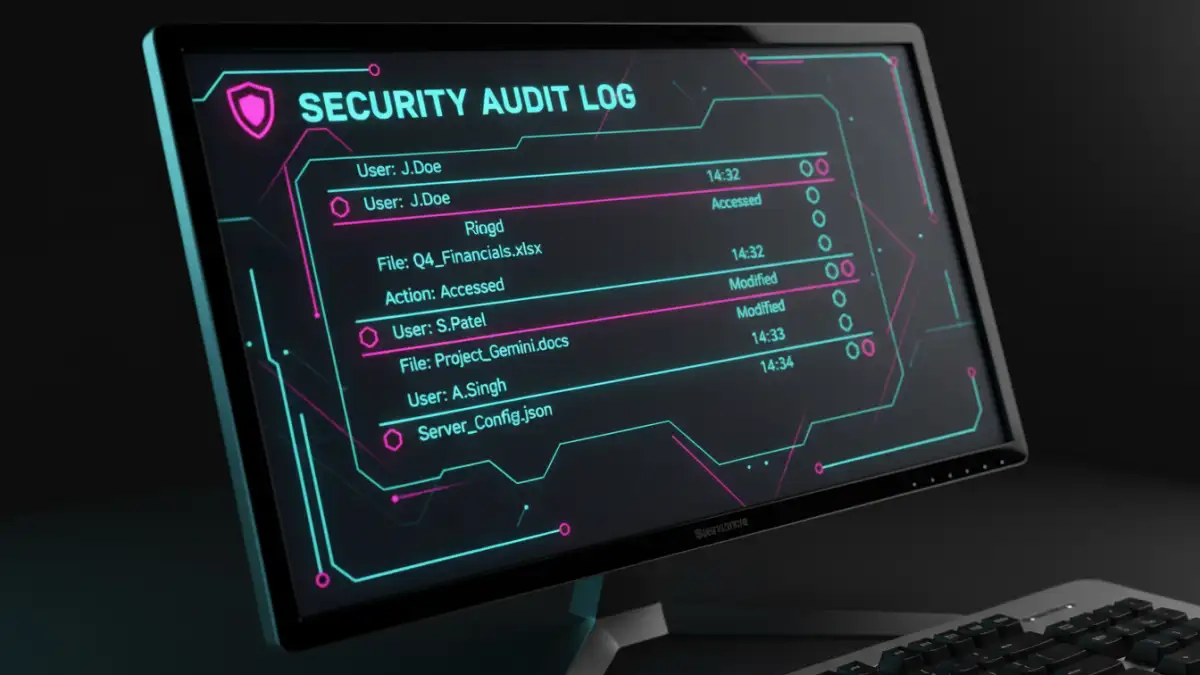
To navigate this complex area, I've always relied on a few guiding principles. These help ensure that any monitoring program is both effective and respectful of employee privacy rights.
Principle of Necessity and Proportionality
Before implementing any monitoring, ask: is this truly necessary? The scope of monitoring should be directly proportional to the risk you're trying to mitigate. For instance, it's reasonable to have stringent access logs for a database containing customer credit card information. It's far less reasonable to monitor access to a shared drive with marketing materials.
Only collect the minimum amount of data required for the stated security purpose. This concept, often called data minimization, is a cornerstone of modern privacy regulations. Avoid collecting data 'just in case' it might be useful later.
Principle of Transparency
This is non-negotiable. Employees must be clearly and explicitly informed about what is being monitored, why it's being monitored, and how that data is being used and stored. Secretly tracking employee activity is a fast way to destroy morale and open the company to legal challenges.
A clear, accessible policy removes ambiguity and demonstrates that the company's intent is security, not suspicion. When people understand the 'why' behind a policy, they are far more likely to accept it.
Building a Transparent Corporate Document Policy
A formal policy is the foundation of any ethical monitoring program. It translates principles into practice and provides clear guidelines for everyone in the organization. This document should be easy to understand, avoiding overly technical or legalistic jargon.
What to Include in Your Policy
Your data access monitoring policy should be comprehensive. I recommend including the following sections:
- Purpose Statement: Clearly state that the goal is to protect company data, ensure compliance, and investigate security incidents.
- Scope: Define exactly what systems and data are subject to monitoring (e.g., company network, email, specific file servers). Explicitly state what is *not* monitored.
- Data Collected: Specify the type of information logged, such as username, filename, IP address, timestamp, and action taken (e.g., read, write, delete).
- Data Access & Retention: Outline who can access the monitoring logs (e.g., only authorized IT security personnel) and for how long the data will be stored.
- Employee Expectations: Remind employees that company resources are for business purposes and that there should be no expectation of privacy for data stored on company systems.
Communicating the Policy Effectively
A policy is useless if no one knows it exists. It should be a standard part of the employee onboarding process, where new hires read and acknowledge it. For existing employees, any updates should be communicated clearly through company-wide channels, with an opportunity for them to ask questions.
Technical Best Practices for Ethical Monitoring
The technology you use should support your ethical framework. Instead of broad surveillance, focus on smart, targeted security measures that respect privacy.
A key aspect of strong employee document security is proactive prevention rather than reactive monitoring. Implementing Role-Based Access Control (RBAC) is the first and most important step. Employees should only have access to the documents and data they absolutely need to perform their jobs. This principle of 'least privilege' dramatically reduces the potential for both accidental and malicious data exposure.
Instead of manually reviewing logs, use automated systems that focus on anomaly detection. These tools can flag unusual behavior—like an account accessing thousands of files at 3 AM or downloading data from a strange location—without scrutinizing every single action of every employee. This approach focuses security efforts on genuine threats, not routine work.
Finally, ensure that your audit logs are secure and tamper-proof. Access to these logs should be tightly controlled and logged itself, creating an audit trail of the auditors. This accountability is crucial for maintaining the integrity of your monitoring program.
Monitoring Approaches: Balancing Security and Privacy
| Monitoring Level | Description | Ethical Consideration | Example Use Case |
|---|---|---|---|
| Basic Access Logging | Logs user, file, timestamp, and action (read/write). | Low intrusiveness. Generally acceptable when transparent. | Auditing access to a shared financial reporting server. |
| Anomaly Detection | Uses AI to flag unusual patterns of behavior. | Privacy-preserving. Focuses on exceptions, not individuals. | Detecting a potential data exfiltration attempt. |
| Content-Level Scanning | Scans document contents for sensitive keywords (e.g., PII). | Higher intrusiveness. Requires strong justification and transparency. | Preventing classified information from being emailed externally. |
| Keystroke Logging | Records every key an employee types. | Extremely intrusive. Rarely justifiable and legally risky. | Highly specific forensic investigation under legal guidance. |