
Working with sensitive client information demands a robust approach to security. Whether you're a law firm, a consultancy, or any business handling confidential data, ensuring the protection of these documents isn't just good practice; it's often a legal necessity. My years in software engineering have shown me firsthand how easily data breaches can occur, and the severe consequences they carry.
Understanding your legal rights and, more importantly, your responsibilities when it comes to client document security is paramount. This involves not only implementing technical safeguards but also establishing clear policies and procedures. It's about building trust and demonstrating a commitment to protecting the information entrusted to you.
Table of Contents
Introduction to Client Document Security
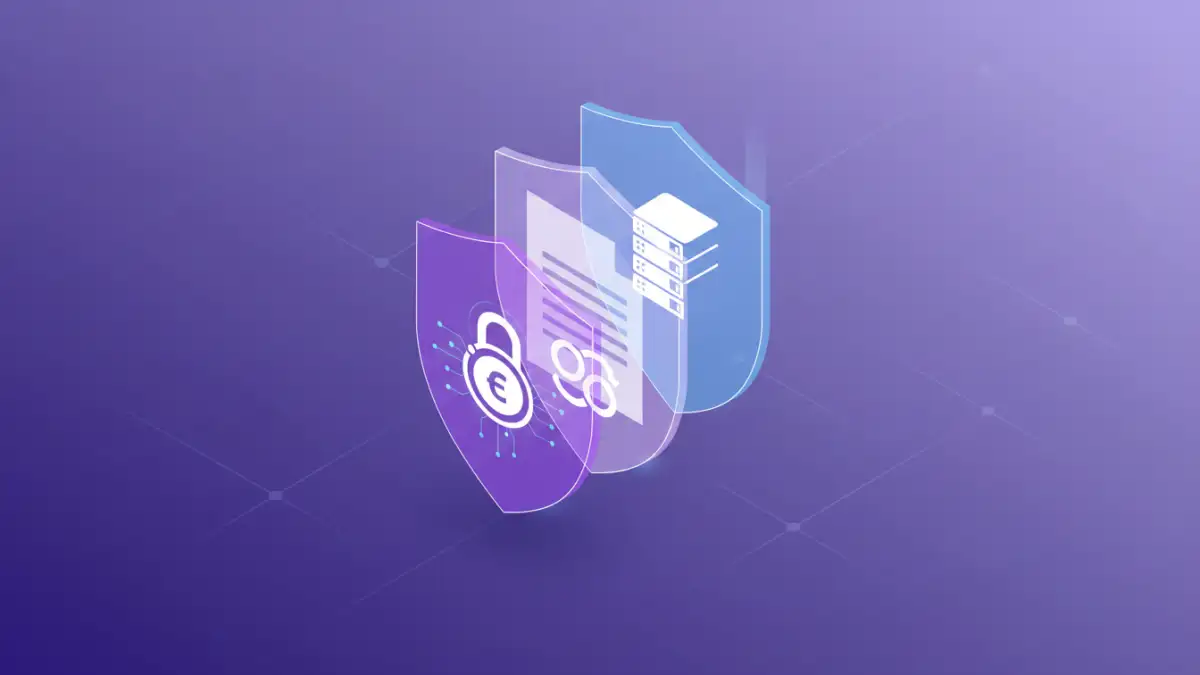
Client document security encompasses the measures taken to protect sensitive information from unauthorized access, disclosure, alteration, or destruction. This includes everything from client contracts and financial records to personal identifiable information (PII) and proprietary data. In today's digital landscape, threats are constantly evolving, making proactive security a non-negotiable aspect of business operations.
The importance of secure client files cannot be overstated. A breach can lead to significant financial losses, reputational damage, and legal penalties. Therefore, a comprehensive understanding of what constitutes effective security is vital for every professional.
The Legal Framework
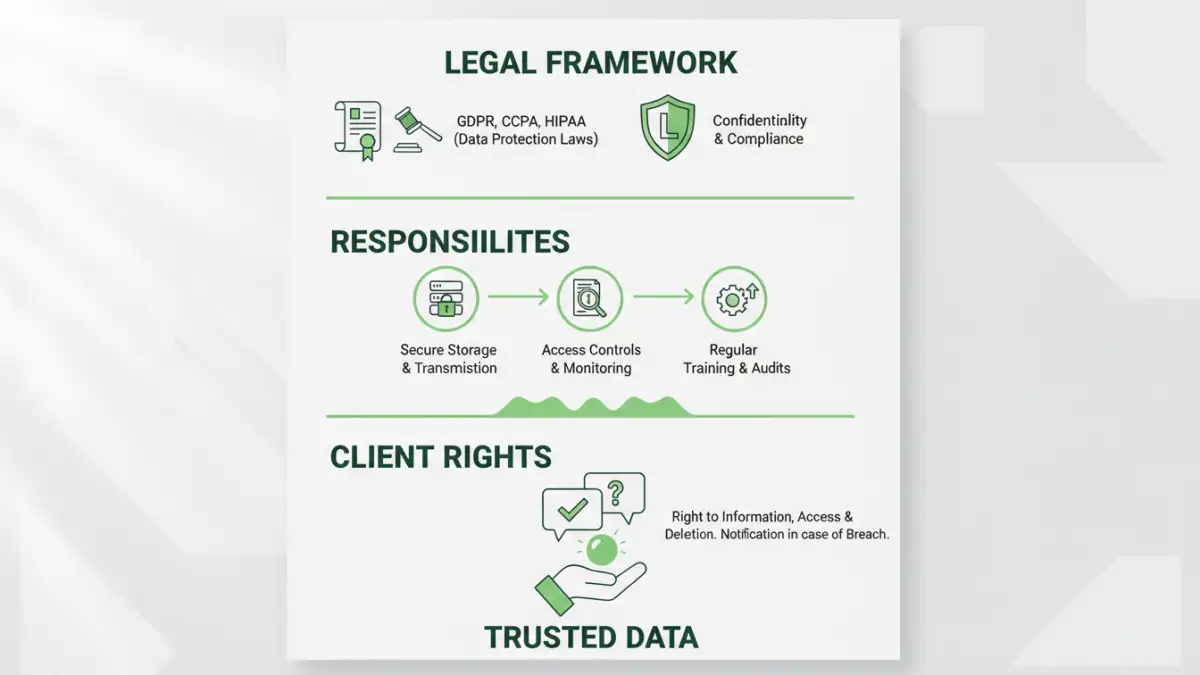
Various laws and regulations govern the handling and protection of client data. Depending on your industry and geographic location, you may need to comply with regulations such as GDPR (General Data Protection Regulation), CCPA (California Consumer Privacy Act), HIPAA (Health Insurance Portability and Accountability Act), and various professional conduct rules. These frameworks often mandate specific security standards.
Understanding these legal requirements is the first step in establishing a compliant security posture. Failure to adhere to these regulations can result in substantial fines and legal action, impacting both the business and individuals responsible for data protection.
Key Data Privacy Laws
Data privacy laws are designed to give individuals control over their personal information. They outline how organizations can collect, process, store, and share this data. Key aspects often include obtaining consent, providing transparency, and ensuring data accuracy and security. For instance, GDPR emphasizes individual rights like the right to access, rectify, and erase personal data.
Industry-Specific Regulations
Certain industries have unique requirements for data protection. Financial institutions, for example, must comply with regulations like the Gramm-Leach-Bliley Act (GLBA) to protect customer financial information. Healthcare providers are bound by HIPAA to safeguard patient health records. Professionals in fields like law and accounting also face stringent ethical and legal obligations regarding client confidentiality.
Your Responsibilities
As a service provider, you have a fiduciary duty to protect the information entrusted to you by your clients. This document protection responsibility extends to all forms of data, whether digital or physical. It means implementing appropriate technical and organizational measures to prevent data breaches.
This includes regular security assessments, employee training on data handling protocols, secure data storage solutions, and robust access controls. You must also have a plan in place for responding to and mitigating any security incidents that may occur.
Client Rights and Expectations
Clients have a right to expect that their sensitive information will be kept confidential and secure. They entrust you with their data based on the implicit promise of protection. This includes the right to know how their data is being used, who it is shared with, and how it is being protected.
When engaging with clients, it is crucial to be transparent about your data security practices. Clearly communicating your policies and procedures can help build trust and manage client expectations. Providing clients with the ability to access, correct, or request the deletion of their data, where legally permissible, further reinforces this trust.
Best Practices for Protection
Implementing strong client document security involves a multi-layered approach. Encryption is fundamental, ensuring that data is unreadable to unauthorized parties, both in transit and at rest. Using strong, unique passwords and multi-factor authentication adds another critical layer of defense against unauthorized access.
Regularly updating software and systems is also essential to patch vulnerabilities. Employee training plays a vital role; ensuring your team understands security protocols and recognizes potential threats like phishing attacks is key. Implementing strict access controls, granting access only on a need-to-know basis, further minimizes risk. Finally, having a comprehensive incident response plan ready can significantly reduce the impact of a security breach.
Comparison Table: Document Security Measures
| Security Measure | Description | Effectiveness | Ease of Implementation | Considerations |
|---|---|---|---|---|
| Encryption (at rest & in transit) | Scrambles data to make it unreadable without a key. | High | Moderate (requires setup) | Key management is crucial; affects performance slightly. |
| Strong Passwords & MFA | Unique complex passwords and requiring multiple forms of verification. | High | Easy to implement for users; requires system configuration. | User adoption can be a challenge; password fatigue. |
| Access Controls (RBAC) | Granting permissions based on user roles and responsibilities. | High | Moderate (requires planning) | Needs regular review and updates; potential for misconfiguration. |
| Regular Software Updates | Patching vulnerabilities in operating systems and applications. | High | Easy (automated options available) | Requires testing to avoid compatibility issues; downtime may be needed. |
| Employee Training | Educating staff on security threats and best practices. | Moderate to High | Moderate (ongoing effort) | Effectiveness depends on engagement; needs to be current. |
| Secure Data Storage | Using encrypted drives, secure cloud storage, or physical safes. | High | Moderate to High | Cost, accessibility, and vendor reliability are factors. |