
I once saw a project nearly derailed because a critical, encrypted design file was shared with a contractor, but the password was sent in the same email chain a minute later. It's a common mistake, but it highlights a gap not in technology, but in our understanding of our responsibilities. Encrypting a document is only the first step; how you share it defines whether you've truly protected the information within.
This isn't just about best practices; it's about a fundamental duty of care. When someone entrusts you with sensitive data, you accept the responsibility for its entire lifecycle, including its transfer to others. This process is a critical part of maintaining trust and professional integrity.
Table of Contents
The Core Responsibility Beyond Encryption
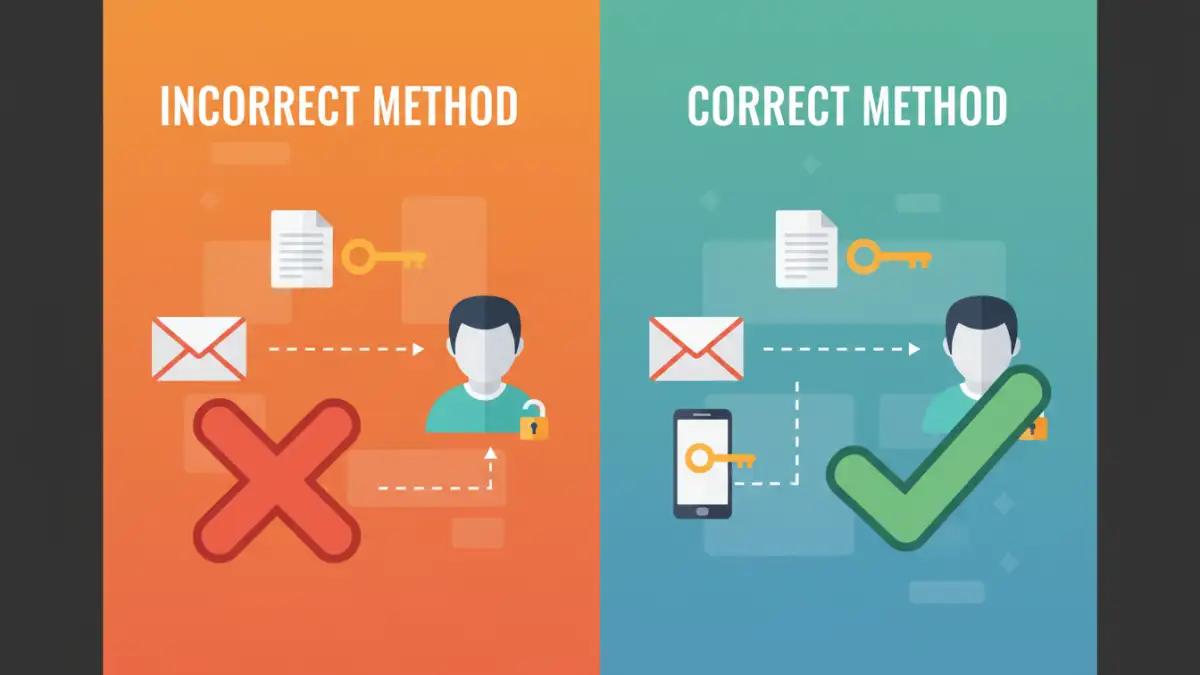
Simply applying a password to a PDF or a ZIP file feels like a complete security measure, but it's not. The encryption creates a locked box. Your ethical duty extends to how you hand over the key. If you leave the key on top of the box, you haven't secured anything. True security is a process, not a single action.
This process involves thinking critically about the entire chain of custody. Who needs this file? How can I verify their identity? What is the most secure way to transmit the decryption key or password? Answering these questions before you hit 'send' is central to your data sharing responsibility. It's the difference between merely using a tool and being a responsible steward of information.
Guiding Principles for Ethical Sharing
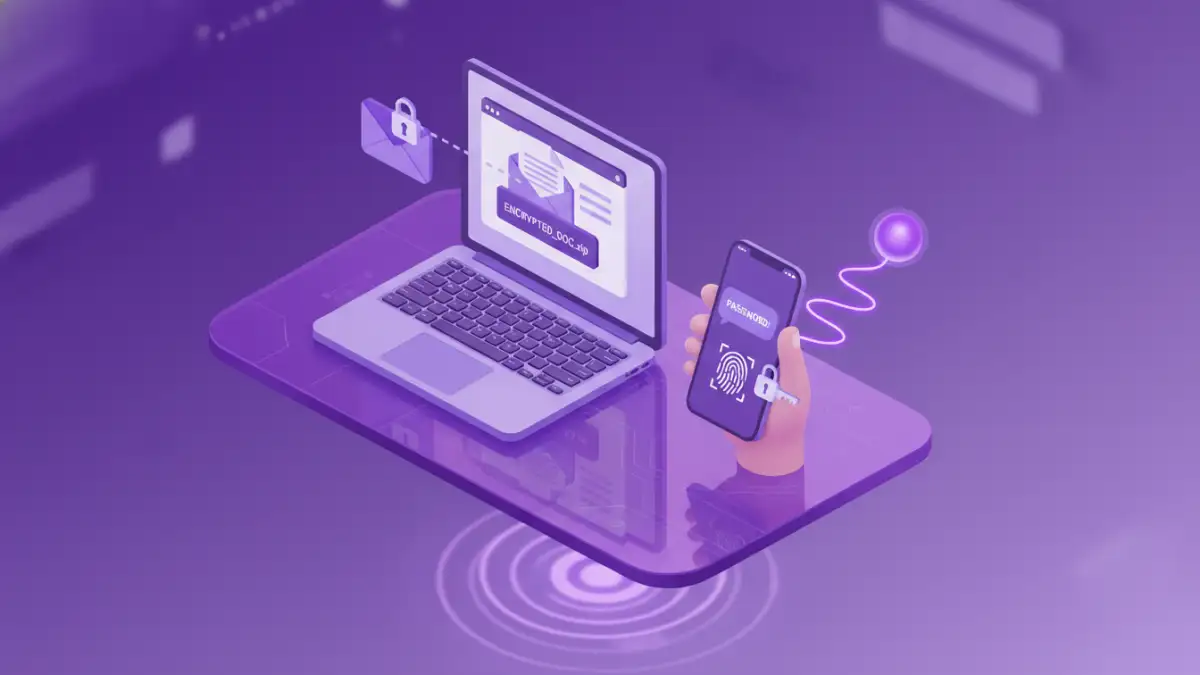
To navigate this complex area, a few core principles can guide your actions. These aren't technical rules but ethical frameworks that help you make sound decisions regardless of the specific technology you're using. They form the foundation of trustworthy and secure file sharing ethics.
The "Need-to-Know" Basis
The principle of least privilege is paramount. Before sharing any confidential document transfer, ask yourself: does this person absolutely need access to this information to do their job? Limiting access to only essential personnel drastically reduces the potential attack surface. It's a simple but incredibly effective way to minimize risk from the outset.
Verifying Recipient Identity
Never assume the email address you have is secure or that the person on the other end is who you think they are. For highly sensitive data, take an extra step to verify the recipient's identity through a separate channel. A quick phone call or a message on a verified corporate messaging platform can prevent a catastrophic error.
Practical Methods for Secure Key Transfer
The most vulnerable part of sharing an encrypted document is the transfer of the key, password, or passphrase. Sending it along with the file is the digital equivalent of mailing a house key taped to the front door. Proper encryption key management requires separating the locked data from the means to unlock it.
Out-of-Band Communication Explained
"Out-of-band" simply means using a different communication channel. If you email the encrypted file, send the password via a secure messaging app like Signal, a text message, or even a phone call. This ensures that if one channel is compromised (like an email account), the attacker doesn't get both the file and the key. This simple separation multiplies the security of the transfer.
Leveraging Password Managers
Modern password managers are excellent tools for this. Many offer secure sharing features that allow you to grant access to a credential without exposing the password in plain text. The recipient, who must also use the same service, can access the shared item through their own secure vault. This method is auditable, revocable, and far more secure than manual methods.
When Things Go Wrong: Your Duty in a Breach
Even with the best precautions, mistakes and breaches can happen. Your ethical duty doesn't end when something goes wrong; in fact, that's when it becomes most critical. The first step is immediate and transparent communication with the relevant parties, whether it's your internal security team, your manager, or the data owner.
Hiding a mistake only compounds the potential damage. A responsible professional reports the incident promptly so that mitigation steps can be taken. This could involve changing the compromised password, revoking access, or remotely wiping a device. Your integrity is defined by how you handle failures, not just by your successes. This is the cornerstone of ethical document sharing and maintaining professional trust.
Comparison of Key Sharing Methods
| Method | Security Level | Convenience | Best For |
|---|---|---|---|
| Same Email/Channel | Very Low | Very High | Not recommended for sensitive data |
| Separate Email | Low | High | Low-sensitivity internal documents |
| Phone Call / SMS | Medium | Medium | Quick, one-off sharing with trusted individuals |
| Secure Messaging App (e.g., Signal) | High | Medium | External partners and remote teams |
| Password Manager Sharing | Very High | Low to Medium | Ongoing collaboration and corporate environments |