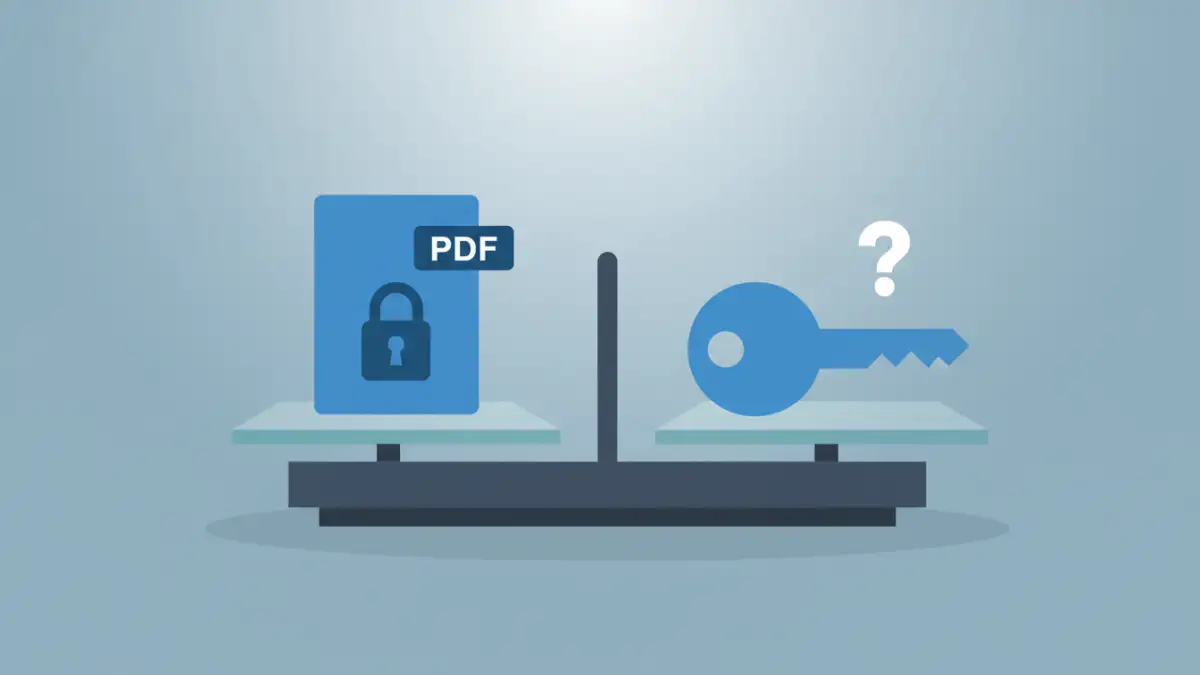
I recently helped a colleague who was in a bit of a panic. He'd password-protected a critical quarterly report months ago and, under the pressure of a looming deadline, couldn't for the life of him remember the password. He owned the document, created it, and had every right to access it. This scenario is a perfect example of a legitimate, ethical reason to bypass a PDF password. But it also opens a door to a much murkier conversation.
The tools and techniques to bypass PDF protection are widely available, but just because you can, doesn't always mean you should. The ethics of the situation hinge almost entirely on two things: ownership and intent. This isn't just a technical puzzle; it's a matter of respecting privacy, intellectual property, and sometimes, the law.
Table of Contents
Understanding the Two Types of PDF Protection
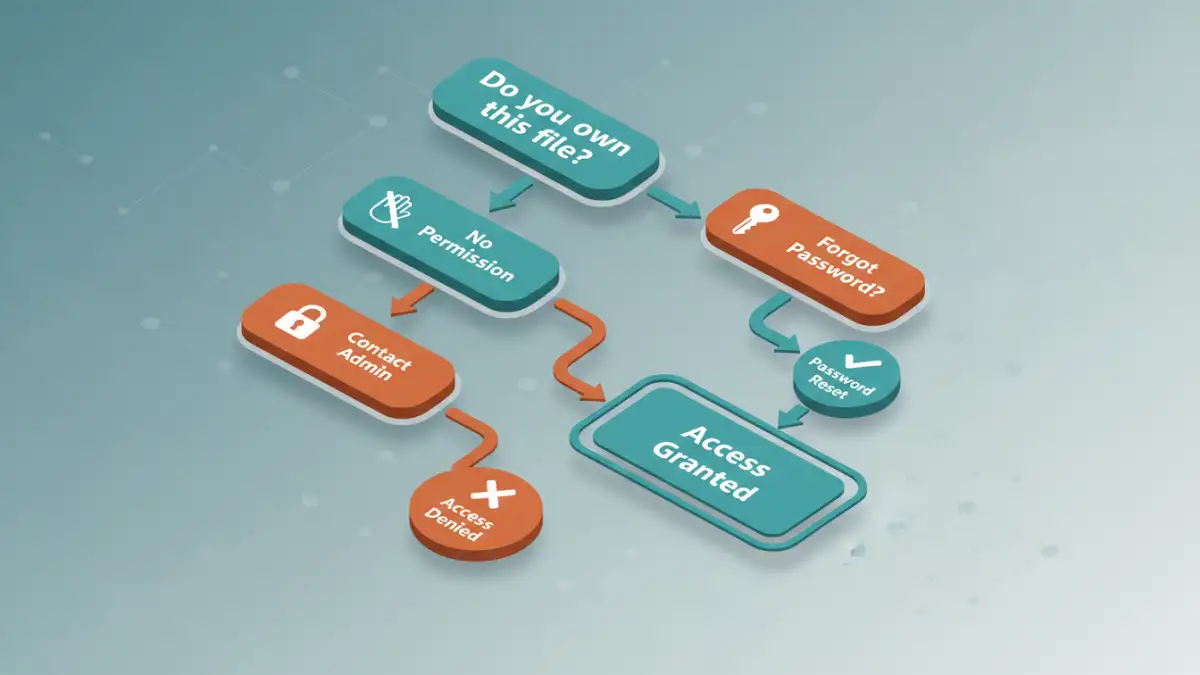
Before we can discuss the ethics, it's crucial to understand the technical landscape. PDF security isn't monolithic. There are primarily two kinds of passwords, and the ethical weight of bypassing them differs significantly.
Owner Password (Permissions Password)
An owner password doesn't prevent someone from opening and viewing the document. Instead, it restricts actions like printing, copying text, editing the content, or adding comments. Bypassing this is often less of an ethical breach, especially if you need to perform a legitimate action like printing a document you've received for review. However, if the owner intentionally restricted copying to protect copyrighted material, removing that protection enters a gray area.
User Password (Open Password)
This is the more serious of the two. A user password encrypts the entire document and prevents anyone from opening it without the correct passphrase. Attempting to circumvent this type of protection is a significant step. If you are not the owner or have no legitimate right to the information, this is where you cross the line into unauthorized file access.
The Ethical Framework: Intent and Ownership
The core of unlock pdf ethics rests on a simple question: Do you have the right to access this information? Your intent defines whether your actions are a helpful recovery or a malicious breach.
Legitimate scenarios are usually clear-cut. Forgetting a password to your own document, an IT administrator helping an employee regain access to a work file, or a family member accessing a deceased relative's digital documents with legal authority are all ethically sound situations. The goal is to restore access, not to gain it illegitimately.
Conversely, the unethical scenarios are just as clear. Trying to open a competitor's confidential business plan, accessing an ex-partner's private financial statements, or cracking a purchased eBook to distribute it illegally are all examples of malicious intent. Here, the act is about violating document privacy and infringing on file access rights that do not belong to you.
Legal Implications and Document Privacy
Beyond personal ethics, there are significant legal frameworks to consider. Laws like the Digital Millennium Copyright Act (DMCA) in the United States make it illegal to circumvent technological measures that control access to copyrighted works. In Europe, the General Data Protection Regulation (GDPR) places strict rules on handling personal data, and unauthorized access to a PDF containing such data could lead to severe penalties.
These laws exist to protect intellectual property and an individual's right to privacy. When you force your way into a protected document you don't own, you may not just be acting unethically—you may be breaking the law. The potential consequences, from civil lawsuits to criminal charges, should be a powerful deterrent.
An Engineer's Perspective on Responsible Tool Use
In my field, we build systems designed for security and control. We implement encryption and password protocols to protect data. We also understand the mechanisms by which these protections can be challenged. This dual knowledge comes with a responsibility to advocate for ethical use.
The tools that can be used for password recovery are just that—tools. A hammer can be used to build a house or to break a window. The morality lies with the user. The conversation around accessing protected pdf files should always be grounded in a respect for digital ownership and privacy. Before you ever attempt to unlock a file, the first and most important password to consider is your own ethical code.
Ethical Scenarios for PDF Access
| Scenario | Ethical Justification | Potential Risk |
|---|---|---|
| Forgot Password to Your Own File | You are the rightful owner; restoring access is the goal. | Low. The action aligns with your ownership rights. |
| IT Support Assisting an Employee | Acting as an agent for the organization that owns the data, with implicit or explicit permission. | Low, provided actions are logged and follow company policy. |
| Accessing a Deceased Person's Files (as Executor) | You have legal authority to manage the deceased's assets and information. | Low, as long as you act within your legal mandate. |
| Bypassing Print Restrictions on a Received Report | Ethical gray area. Depends on the sender's intent. If for personal use (e.g., easier reading), it's often acceptable. | Moderate. Could violate the sender's terms or copyright if the content is protected. |
| Opening a Colleague's Private File Without Consent | None. This is a direct violation of privacy and trust. | High. This constitutes unauthorized file access and can have severe professional and legal consequences. |
| Cracking a Purchased eBook for Distribution | None. This is a clear copyright infringement. | High. Violation of DMCA or similar laws, leading to legal action. |