Navigating the complexities of digital document security can feel daunting, especially when dealing with sensitive information. In my work, I've encountered numerous situations where safeguarding PDFs was paramount, from protecting confidential business proposals to ensuring the integrity of government records. The Portable Document Format (PDF) is ubiquitous, but its ease of use can sometimes mask vulnerabilities if not handled with appropriate security measures. Understanding how to properly secure these files is not just a technical requirement; it's a critical aspect of data privacy and organizational integrity.
Table of Contents
Understanding PDF Security Fundamentals
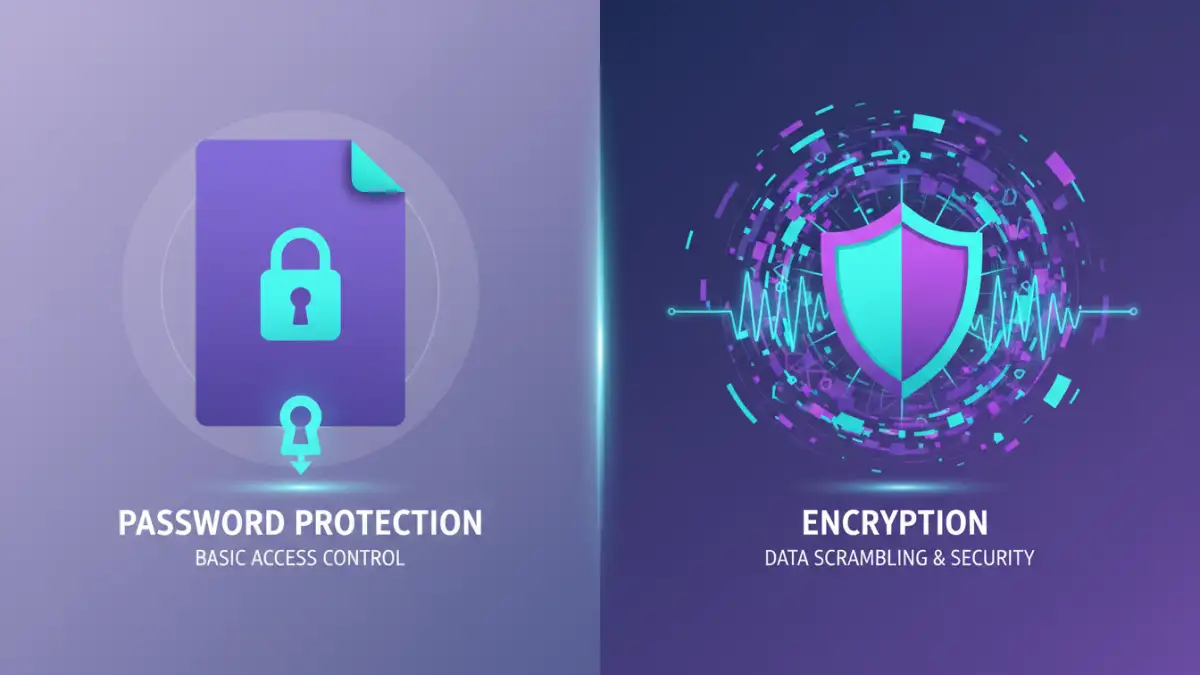
PDFs can contain a wealth of information, from personal data to classified government document security pdf. To protect this, PDFs offer several layers of security. These typically include password protection to restrict opening or editing, and encryption to scramble the file's content, making it unreadable without a key. Understanding the difference is crucial: a password might prevent casual viewing, while strong encryption makes unauthorized access extremely difficult.
Key Security Concepts
The primary security features in PDFs revolve around restricting access and controlling permissions. You can set passwords to prevent a document from being opened by unauthorized individuals. Additionally, you can set permissions to disallow printing, copying text, or modifying the document, even after it's opened. These features are built into most PDF creation and editing software, offering a good starting point for securing your files.
Implementing Basic Security Measures

For many users, the most accessible security measure is password protection. Most PDF readers and editors, like Adobe Acrobat, allow you to set a password when saving or exporting a document. This involves choosing a strong, unique password and deciding whether it should protect the entire document from opening or just restrict certain actions like editing or printing.
When setting passwords, it's vital to remember them. Losing the password can render the document inaccessible, even to you. For sensitive files, using a password manager can help keep track of these credentials securely. This straightforward approach is often sufficient for protecting personal documents or less critical business information.
Leveraging Advanced Encryption Techniques
Beyond basic password protection, PDFs can be secured using stronger encryption algorithms. While standard password protection encrypts the file, the strength of that encryption can vary. For highly sensitive data, such as classified document pdf, industry-standard encryption like AES-256 is recommended. Many professional PDF tools offer this level of security.
Implementing advanced encryption often involves using specialized software. These tools allow for more granular control over security settings and ensure that your data is protected using robust cryptographic methods. This is particularly important for organizations handling sensitive information where compliance and rigorous security standards are mandatory. Secure government files often require these advanced measures to meet regulatory requirements.
Best Practices for Ongoing Protection
Securing your PDFs is not a one-time task. It requires ongoing vigilance and adherence to best practices. Regularly reviewing your security settings, updating your software to patch vulnerabilities, and educating users about security risks are all part of a comprehensive strategy. For instance, never share passwords via unsecured channels like email.
Furthermore, consider the lifecycle of your documents. When a document is no longer needed, ensure it is securely deleted or archived according to your organization's data retention policies. Implementing digital signatures can also add a layer of authenticity and integrity, verifying the document's origin and ensuring it hasn't been tampered with. Public record protection, while often involving open access, still requires secure handling during its creation and initial dissemination phases.
Method Comparison for PDF Security
Choosing the right method for securing your PDFs depends on your specific needs and the sensitivity of the information. Here's a look at common approaches:
Comparison Table
| Method | Pros | Cons | Best For |
|---|---|---|---|
| Basic Password Protection (Open/Edit) | Easy to implement, widely supported | Can be bypassed with brute-force attacks if password is weak, doesn't encrypt content deeply | Securing personal documents, preventing accidental edits |
| Permission Restrictions (Print, Copy) | Controls user actions after opening | Does not prevent opening, can be circumvented with screen capture or specialized tools | Limiting how a document can be used by recipients |
| Advanced Encryption (e.g., AES-256) | Strongest level of data protection, difficult to break | Requires compatible software, can be more complex to manage, password loss means data loss | Classified government documents, sensitive financial or legal records |
| Digital Signatures | Verifies authenticity and integrity, non-repudiation | Requires a certificate authority, recipient needs compatible software to verify | Ensuring document origin and preventing tampering in official communications |
Frequently Asked Questions
What is the difference between password protection and encryption for PDFs?
Password protection typically restricts access to a PDF, requiring a password to open or perform specific actions like editing or printing. Encryption, on the other hand, scrambles the actual content of the PDF, making it unreadable without the correct decryption key (often derived from the password). Strong encryption is a more robust security measure.
Can I secure a PDF without buying expensive software?
Yes, many free PDF readers and editors offer basic password protection and permission restrictions. For example, Google Chrome's built-in PDF viewer allows you to 'print' a PDF to a new PDF file, which can sometimes remove owner passwords (but not user passwords). Adobe Acrobat Reader has some basic security options when saving or exporting, and many online tools offer free PDF encryption for basic needs, though you should be cautious about privacy with online tools.
How do I ensure my password for a secure PDF is strong?
A strong password should be long (at least 12-15 characters), a mix of uppercase and lowercase letters, numbers, and symbols, and should not be easily guessable (e.g., not a common word, name, or date). Using a password manager to generate and store complex, unique passwords for each sensitive document is highly recommended for maximum security.