
In my years working with digital assets, I've encountered countless situations where preserving the integrity and confidentiality of older files is paramount. Often, these are crucial business presentations, academic lectures, or personal archives that have been created over time. The challenge arises when these files, perhaps in older formats or simply no longer actively updated, need robust security. This is where understanding how to protect old presentation files with password encryption becomes not just a good practice, but a necessity.
Failing to secure these older documents can expose them to unauthorized access, accidental modification, or even data theft. Fortunately, modern software and even built-in operating system features offer straightforward ways to add a layer of password protection. This guide will walk you through the essentials, practical steps, and best practices for ensuring your legacy presentations remain safe and private.
Table of Contents
Understanding Presentation File Security
When we talk about presentation file security, we're essentially discussing methods to prevent unauthorized individuals from viewing, editing, or distributing your slideshows. For older files, this is especially important because they might not benefit from the latest security patches or features found in current software versions. Ensuring that you protect old presentation files means safeguarding intellectual property, confidential business strategies, or sensitive personal data.
Why Secure Old Presentations?
Legacy files, while potentially dated in content, can still hold immense value. They might contain historical data, foundational research, or crucial templates that are no longer easily recreated. Without proper protection, these files are vulnerable. Imagine an old business plan or a client presentation containing sensitive financial figures falling into the wrong hands – the repercussions could be significant. Implementing password encryption is a direct way to mitigate these risks.
Methods to Encrypt Your Presentations
There are several avenues to explore when you need to add password protection to your presentation files. The method you choose often depends on the software you have available, the format of the file, and the level of security required. From built-in features in office suites to third-party tools, the options are quite varied, catering to different user needs and technical proficiencies.
Built-in Software Encryption
Most modern presentation software, like Microsoft PowerPoint or Google Slides (when downloaded), offers direct options to set a password. This is often the most accessible and straightforward method, especially if you're working with files that are compatible with these programs. It's a quick way to secure your documents without needing additional software.
Third-Party Encryption Tools
For more complex needs or for handling older, less common file formats, dedicated encryption software or online tools can be invaluable. These tools often provide more robust encryption algorithms and options, such as setting different passwords for viewing versus editing. However, when using online tools, it's crucial to consider the privacy implications of uploading sensitive documents to external servers.
Step-by-Step: Encrypting PPT Files
Microsoft PowerPoint, being one of the most common presentation tools, provides a direct way to secure your files. This process is relatively simple and effective for most common use cases, ensuring your .ppt or .pptx files are protected.
Using PowerPoint's Built-in Security
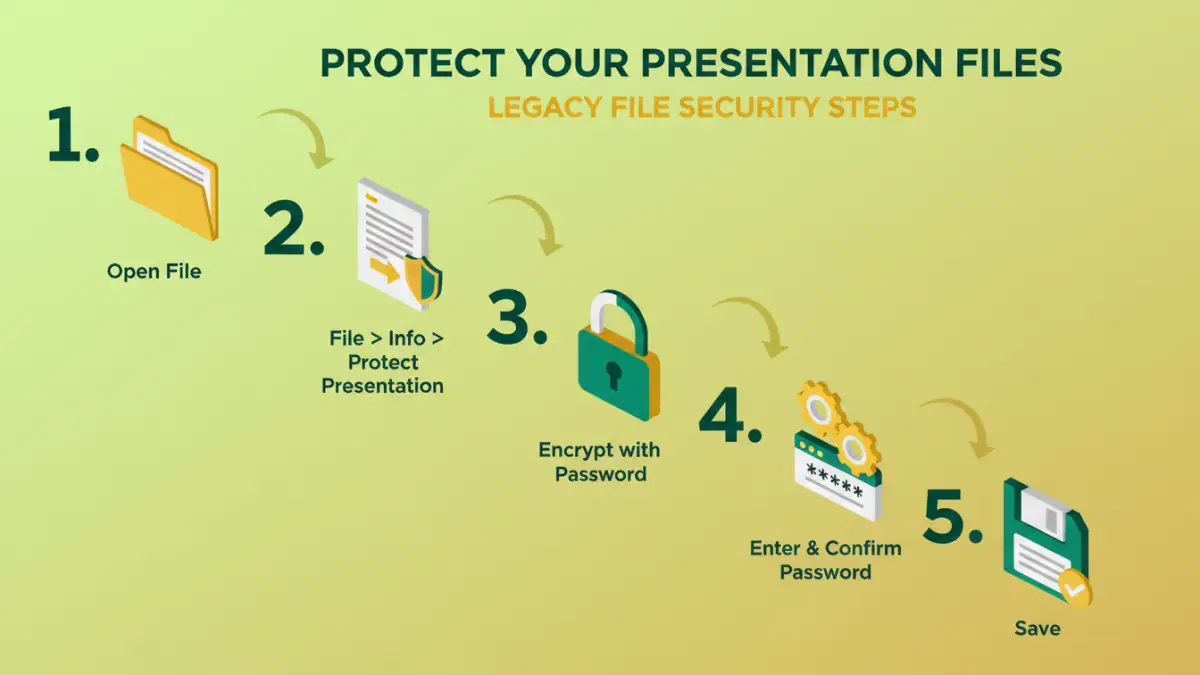
- Open your presentation file in Microsoft PowerPoint.
- Navigate to the 'File' tab.
- Select 'Info' from the left-hand menu.
- Click on 'Protect Presentation'.
- From the dropdown menu, choose 'Encrypt with Password'.
- A dialog box will appear. Enter your desired password and click 'OK'.
- You will be prompted to re-enter the password to confirm. Click 'OK' again.
- Save your presentation. The next time you or anyone else tries to open it, they will be required to enter the password.
It's important to choose a strong password that is difficult to guess. Combining uppercase and lowercase letters, numbers, and symbols significantly enhances security. Avoid using easily identifiable information like names, birthdays, or common words.
Encrypting Other Presentation Formats
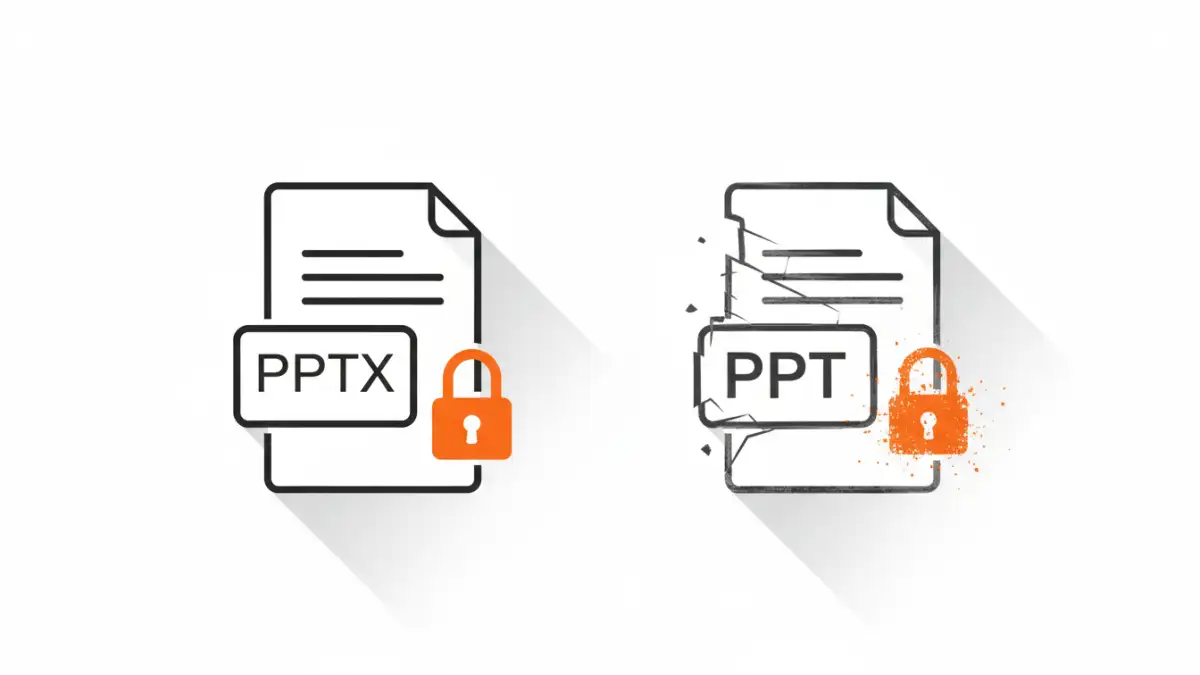
While PowerPoint is common, you might encounter older formats like .ppt, or presentations created with other software. For formats not directly supported by modern PowerPoint's encryption features, or if you need to apply encryption to files created by different applications (like Keynote or older versions of presentation software), you might need to use alternative methods.
Conversion and Online Tools
One approach is to convert the older presentation file into a format compatible with modern encryption software, such as .pptx. Many free online converters can assist with this. Once converted, you can use the methods described above or a third-party tool. Alternatively, some online services specialize in password-protecting various file types. You upload your file, set a password, and download the encrypted version.
When using online tools to protect old presentation files, always verify the legitimacy and security policies of the service. Look for reputable providers that clearly state their data handling and privacy practices. This is a crucial step to ensure that your file protection doesn't inadvertently create a new security vulnerability.
Best Practices for Legacy File Protection
Securing older files goes beyond just applying a password. A comprehensive strategy involves managing your passwords effectively and considering the longevity of the encryption method itself. As technology evolves, so do potential security threats and the effectiveness of older encryption standards.
Password Management
The most common pitfall with password-protected files is forgetting the password. I've had colleagues face stressful situations because a critical file was locked away due to a forgotten password. To avoid this, use a reliable password manager. These tools not only help you create strong, unique passwords but also store them securely, making them accessible only to you. If you're not using a password manager, keep a secure, offline record of your passwords in a place only you can access.
Format Compatibility and Updates
Consider the future accessibility of your files. If you encrypt a file using a very old, proprietary format, it might become inaccessible even with the password if the software to open it becomes obsolete. Whenever possible, use widely supported formats like .pptx. Regularly review your encrypted files and consider re-encrypting them with current software or stronger algorithms if they remain critical assets.
| Method | Ease of Use | Security Level | File Format Support | Best For |
|---|---|---|---|---|
| PowerPoint Built-in Encryption | High | Moderate to High | .ppt, .pptx | Users with Microsoft Office Suite |
| Google Slides (Download) | High | Moderate | .ppt, .pptx, .odp | Users in Google Workspace |
| Online Encryption Tools | Very High | Varies (Check provider) | Multiple formats, often image/document | Quick, occasional protection for non-sensitive files |
| Desktop Encryption Software | Moderate | High to Very High | Wide range of file types | Comprehensive protection for sensitive data |
| File Archiving with Password (e.g., WinRAR, 7-Zip) | High | Moderate to High | Bundles multiple files | Securing collections of files or older formats |