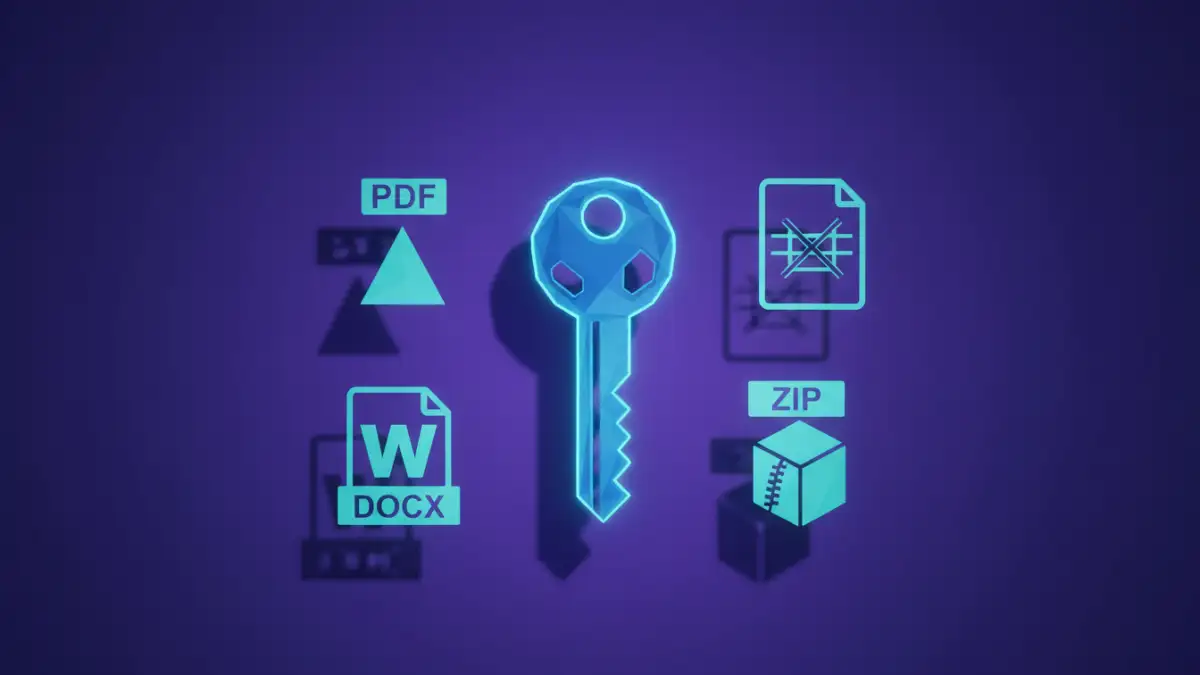
I recently helped a project manager who was completely stuck. She had received a ZIP archive containing a mix of password-protected PDFs, Word documents, and Excel spreadsheets from a former employee, but the password she was given didn't work. The deadline was looming, and the frustration was palpable. This scenario is all too common; we secure our files but then struggle when access becomes an urgent issue.
This experience highlights a critical need for a versatile solution. Relying on separate, single-purpose tools for each file type is inefficient and costly. A single, powerful tool that can handle various formats is no longer a luxury but a necessity for anyone dealing with secured data regularly.
Table of Contents
Why a Universal Tool is Essential
Working in software development, I handle countless documents, from technical specifications in DOCX to project plans in XLSX and final reports in PDF. Many of these are encrypted for security. The real headache begins when you have to manage different passwords or recovery methods for each format.
The Problem with Single-Format Tools
Using a dedicated PDF password tool, then another for Office documents, and a third for ZIP or RAR archives creates a fragmented workflow. It's not just inefficient; it increases the chances of errors. You might forget which tool works for which file, or you could end up paying for multiple subscriptions that only solve part of the problem.
Benefits of a Multi-Format Approach
A unified tool simplifies everything. It provides a single interface for all your secured files, streamlining the recovery or removal process. This consolidation saves time, reduces software clutter on your system, and is often more cost-effective. More importantly, it provides a reliable, go-to solution when you're under pressure, like my project manager colleague was.
Core File Password Tool Features to Look For

When you're ready to select a document password remover, not all tools are created equal. Some offer basic functionality, while others provide a robust suite of options. From my experience, a few features are non-negotiable for a tool to be truly effective and safe.
Comprehensive Format Compatibility
The first thing I check is the list of supported file types. A truly universal tool should handle the most common business formats: PDF, Microsoft Office (Word, Excel, PowerPoint), and compressed archives (ZIP, RAR). The more formats it supports, the more valuable it becomes. Support for less common but important formats like OpenOffice documents is a huge plus.
Advanced Recovery Techniques
Simple password removal isn't always enough. Look for tools that offer multi format password recovery methods. These often include dictionary attacks (using word lists), brute-force attacks (trying all possible combinations), and mask attacks (if you remember part of the password). Hardware acceleration (using your GPU) can speed up this process exponentially, turning hours of waiting into minutes.
Security and Privacy Guarantees
When dealing with sensitive files, security is paramount. For online tools, I always scrutinize their privacy policy. Do they store your files? For how long? I generally prefer desktop applications for this reason, as the files never leave my local machine. A trustworthy tool will be transparent about its processes and prioritize user data protection.
Comparing Top Document Unlockers
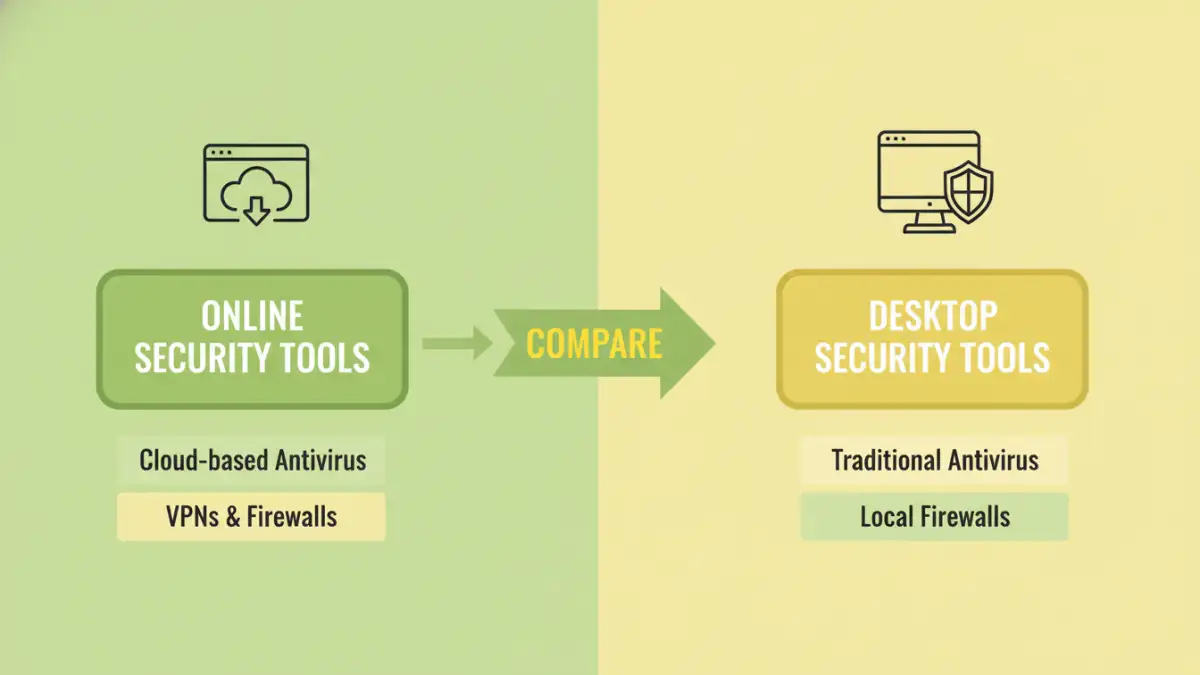
The market for these tools is divided mainly into two categories: convenient online services and powerful desktop software. Each has its place, depending on your specific needs for security, speed, and complexity.
Online vs. Desktop Solutions
Online tools are incredibly convenient. You just upload your file, the service processes it, and you download the unlocked version. They are great for one-off situations with non-sensitive files. However, for confidential data, the risk of uploading your information to a third-party server is significant.
Desktop software provides maximum security and power. Since all processing happens locally, your sensitive files are never exposed to the internet. These tools typically offer more advanced features like GPU acceleration and multiple attack types, making them ideal for professional or frequent use.
Free vs. Paid Options
Many free tools exist, but they often come with limitations, such as file size restrictions, limited format support, or slower processing speeds. Paid solutions typically offer a comprehensive feature set, dedicated customer support, and regular updates. For business or critical personal use, investing in a reputable paid tool is almost always the right choice.
My Process for Evaluating Security Software
Over the years, I've developed a straightforward process for testing and choosing security software. It's not just about reading reviews; it's about hands-on testing to see if a tool lives up to its claims. Finding the best universal security tool requires a practical approach.
A Real-World Test Case
I start by creating a test suite: a ZIP archive containing a password-protected PDF, an Excel file with a complex password, and a Word document with an 'open' password. I then run this suite through each tool I'm evaluating. I measure performance (how quickly can it recover the password?), usability (is the interface intuitive?), and success rate. This practical test quickly separates the genuinely useful tools from the ones that are all marketing.
Comparison of Document Security Tool Types
| Tool Type | Key Advantage | Primary Drawback | Best For |
|---|---|---|---|
| Online Unlockers | Convenience, no installation | Major privacy and security risks | Non-sensitive files, one-time use |
| Desktop Software | High security, powerful features | Requires installation, often paid | Frequent use, sensitive data, complex passwords |
| Command-Line Utilities | Highly scriptable, lightweight | Steep learning curve, no GUI | Developers, IT admins, batch processing |
| Built-in OS Features | Free and readily available | Very limited functionality and format support | Extremely simple cases (e.g., re-saving a PDF) |