
A few months ago, I was advising a medium-sized enterprise that had recently experienced a significant data breach. The incident wasn't due to a sophisticated external attack, but rather an overlooked vulnerability in how their internal files were managed and protected. This scenario highlighted a critical truth: reactive security measures are simply not enough in today's threat landscape. Businesses need to proactively assess their file security risks to truly safeguard their most valuable assets.
As a software engineer with over a decade in the field, I've seen firsthand how crucial it is for organizations to move beyond simply responding to threats. Instead, a robust, forward-thinking approach to business document security can prevent many common cybersecurity risks before they escalate. This involves understanding where your sensitive data resides, who has access to it, and what potential threats it faces.
Table of Contents
The Imperative of Proactive File Security Risk Assessment
In an era where data is often considered the new oil, the security of digital files is paramount. Many businesses still operate under the assumption that a firewall and antivirus software are sufficient. However, the complexity of modern IT environments, coupled with sophisticated threat actors, demands a more nuanced and anticipatory strategy.
Moving from a reactive stance, where you only address issues after they occur, to a proactive one means identifying potential weaknesses before they are exploited. This shift is fundamental for protecting intellectual property, customer data, and maintaining regulatory compliance. A thorough assessment helps you understand your exposure to various cybersecurity risks and prioritize your defense efforts effectively.
Why Traditional Security Falls Short
Traditional security models often focus on perimeter defense, assuming threats primarily originate from outside the network. While external threats are real, a significant portion of data breaches stem from internal vulnerabilities, misconfigurations, or compromised credentials. These can include anything from an employee inadvertently downloading malware to an improperly secured cloud storage bucket.
Without a proactive approach, these internal weaknesses can go undetected for extended periods, providing ample opportunity for data exfiltration or corruption. My work has often involved auditing systems where, despite significant investment in external defenses, basic internal file security practices were overlooked, creating glaring gaps.
Defining "File Security Risk" for Businesses
A file security risk, in essence, is any potential threat or vulnerability that could lead to unauthorized access, modification, destruction, or disclosure of digital files. For businesses, this encompasses everything from critical financial records and customer databases to proprietary source code and strategic plans. It’s not just about preventing data loss, but also ensuring data integrity and availability.
Understanding this definition allows businesses to frame their threat assessment more comprehensively. It pushes beyond just preventing external hackers and includes insider threats, accidental data exposure, and even risks associated with third-party vendors who handle your data.
Core Components of a File Security Risk Assessment

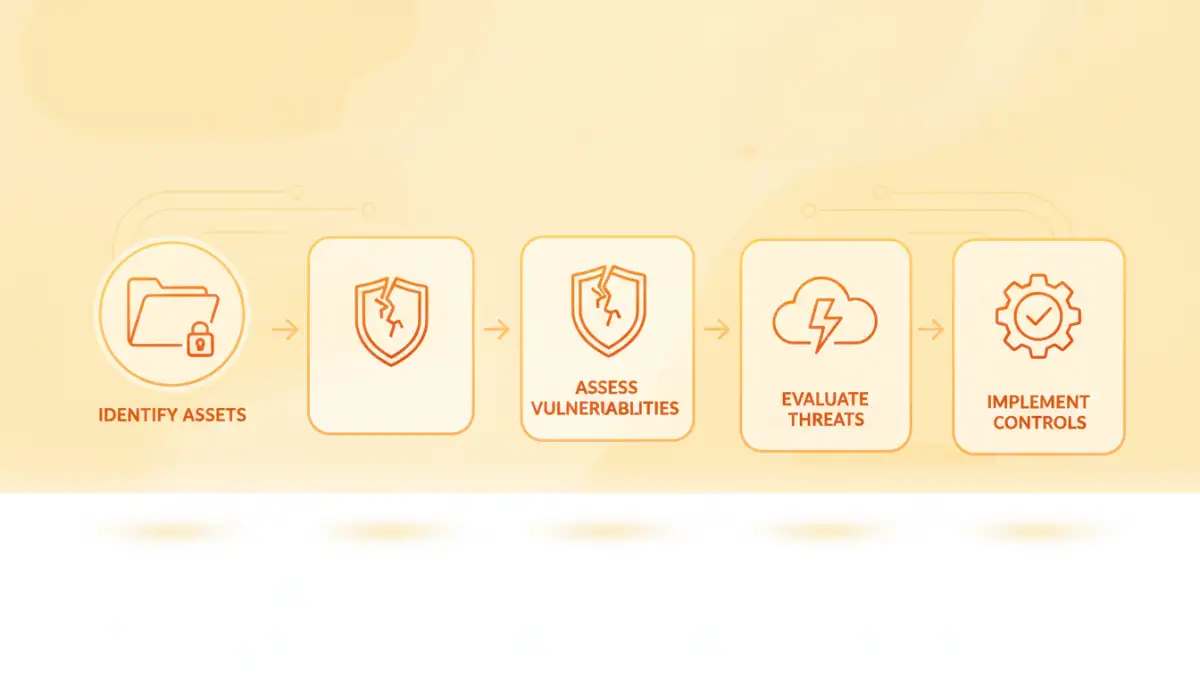
Conducting an effective file security risk assessment involves several critical steps, each designed to build a complete picture of your organization's data landscape and its potential vulnerabilities. It's an iterative process that requires meticulous attention to detail and collaboration across different departments.
Identifying Critical Information Assets
The first step is to know what you're protecting. This involves cataloging all sensitive files and data, understanding their location (on-premise, cloud, hybrid), and classifying them based on their business impact and regulatory requirements. Not all files carry the same risk; some are public, while others are highly confidential and require stringent protection.
This process often reveals a surprising amount of forgotten or redundant data that still poses a risk. I've often seen companies discover old customer lists or archived projects that were never properly decommissioned, yet still contained sensitive information.
Assessing Vulnerabilities and Threats
Once assets are identified, the next step is to pinpoint vulnerabilities—weaknesses in your systems, processes, or configurations that could be exploited. This includes outdated software, weak access controls, unpatched systems, and insecure data transmission methods. Concurrently, you must identify potential threats, such as malware, ransomware, phishing, insider threats, and even natural disasters.
A comprehensive threat assessment considers both the likelihood of a threat exploiting a vulnerability and the potential impact if it does. This helps in quantifying the actual file security risk and prioritizing remediation efforts.
Methodologies and Tools for Effective Assessment
While the principles of risk assessment remain consistent, the actual execution often benefits from structured methodologies and specialized tools. These can streamline the process, provide deeper insights, and ensure consistency.
Leveraging Data Loss Prevention (DLP)
Data Loss Prevention (DLP) solutions are powerful tools for identifying, monitoring, and protecting sensitive data wherever it resides. They can scan files to identify PII, PCI, or other regulated data, and then enforce policies to prevent its unauthorized movement or sharing. DLP can be instrumental in understanding where sensitive files are stored and how they are being used.
Implementing DLP requires careful planning to avoid false positives and ensure it aligns with business workflows. However, the insights it provides into data flow and potential exfiltration points are invaluable for a thorough file security risk assessment.
Implementing Access Control Audits
One of the most common cybersecurity risks involves excessive or inappropriate access permissions to files. Regular access control audits are essential to ensure that only authorized personnel can access sensitive data. This means reviewing who has access to what, how that access was granted, and if it's still necessary.
Automated tools can help identify 'stale' accounts, orphaned permissions, and overly broad access groups. From my experience, it's often surprising how many employees retain access to files long after they've moved roles or left the company, creating a significant attack surface.
Building a Sustainable File Security Program
A file security risk assessment isn't a one-time project; it's an ongoing process. To effectively manage business document security, organizations must embed risk management into their operational DNA, fostering a culture of continuous improvement and vigilance.
Continuous Monitoring and Review
The threat landscape is constantly evolving, and so are your business operations. New software, new employees, and new projects can introduce new vulnerabilities. Therefore, continuous monitoring of file access, changes, and movement is crucial. Regular reviews of your risk assessment findings and controls ensure they remain relevant and effective.
Automated security information and event management (SIEM) systems can help by aggregating logs and alerting on suspicious activities, providing real-time insights into potential file security risks. This proactive surveillance is key to catching issues before they become breaches.
Employee Training and Awareness
Ultimately, human error remains a leading cause of data breaches. Even the most sophisticated technical controls can be undermined by a lack of awareness or poor security hygiene among employees. Regular, engaging training programs are vital to educate staff about common cybersecurity risks, phishing tactics, and best practices for handling sensitive files.
Empowering employees to be the first line of defense is a powerful strategy. When everyone understands their role in maintaining business document security, the overall risk posture of the organization significantly improves.
Best Practices for Mitigating Identified Risks
Once risks are identified and prioritized, the next step is to implement controls to mitigate them. This could involve patching software, strengthening authentication, encrypting sensitive files, or segmenting networks. It's about applying the right control to the right risk.
Regular penetration testing and vulnerability scanning can validate the effectiveness of your controls. Beyond technical measures, establishing clear policies for data retention, access, and incident response forms the bedrock of a resilient file security framework.
Risk Assessment Methodologies Comparison
| Methodology | Pros | Cons | Best For |
|---|---|---|---|
| Qualitative Assessment | Quick, cost-effective, good for initial overview | Subjective, less precise risk prioritization | Small businesses, early-stage assessments |
| Quantitative Assessment | Objective, precise, supports cost-benefit analysis | Complex, resource-intensive, requires extensive data | Large enterprises, mature security programs |
| Hybrid Approach | Balances speed with precision, practical | Requires careful integration of methods | Most organizations seeking balanced insights |
| Compliance-Based | Ensures regulatory adherence, structured | May not cover all specific business risks | Regulated industries (healthcare, finance) |