
The challenge of securely sharing sensitive digital information has always been a significant hurdle for businesses and individuals alike. Traditional methods often rely on centralized servers, which can be vulnerable to breaches, or complex encryption techniques that can be difficult to manage. This is where the transformative power of blockchain technology comes into play, offering a novel approach to secure file sharing that enhances trust and transparency.
As someone who has navigated the complexities of data security in software development for over a decade, I've seen firsthand the limitations of existing systems. The constant threat of data leaks, unauthorized access, and the difficulty in proving the integrity of shared documents has driven the search for more robust solutions. Blockchain, with its inherent security features, presents a compelling answer to these persistent problems.
Table of Contents
What is Blockchain Secure File Sharing?
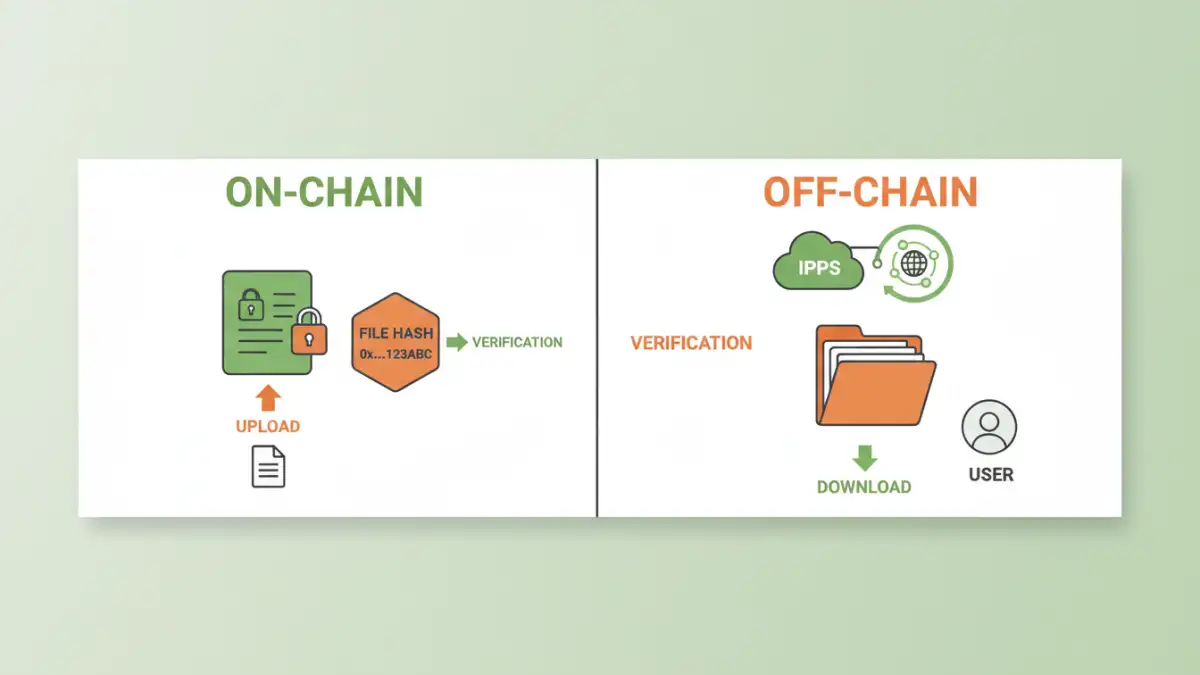
At its core, blockchain secure file sharing leverages the distributed ledger technology to create a more secure and transparent way to exchange files. Instead of storing files on a single, central server, the blockchain acts as a decentralized network where transaction records (in this case, file access, sharing permissions, and integrity checks) are distributed across multiple nodes. This distribution makes it incredibly difficult for any single point of failure or attack to compromise the data.
Decentralized Document Sharing
One of the most significant aspects of this technology is its ability to facilitate decentralized document sharing. This means that files are not housed in one vulnerable location. Instead, metadata about the file, its access logs, and cryptographic hashes are recorded on the blockchain. This ensures that while the file itself might be stored off-chain for efficiency, its integrity and access history are immutably recorded and verifiable by anyone on the network with the appropriate permissions.
Core Principles of Blockchain for File Sharing

The security of blockchain-based file sharing is built upon several fundamental principles that differentiate it from traditional cloud storage or peer-to-peer networks. These principles work in concert to create an environment of trust and verifiable security for digital assets.
Immutable File Records
The immutability of the blockchain is paramount. Once a transaction or record is added to the ledger, it cannot be altered or deleted without the consensus of the network. For file sharing, this means that any attempt to tamper with a file or its access logs would be immediately detectable. This feature provides an unassailable audit trail, crucial for compliance and dispute resolution.
Cryptography and Hashing
Blockchain relies heavily on advanced cryptographic techniques. Files are typically hashed, creating a unique digital fingerprint. This hash is then stored on the blockchain. When a file is accessed or shared, its hash can be re-verified against the one stored on the ledger, ensuring that the file has not been modified. Access permissions are also managed through cryptography, ensuring only authorized parties can retrieve or interact with specific files.
Real-World Impact and Use Cases
The practical applications of blockchain for secure file sharing are vast and are already making a tangible impact across various industries. From healthcare to legal services, the need for verifiable and secure data exchange is critical.
Healthcare Data Management
In healthcare, patient records are highly sensitive. Blockchain can enable secure, auditable sharing of medical files between doctors, hospitals, and patients. Patients can control access to their records, granting temporary permissions to specialists, with every access logged immutably on the blockchain. This enhances privacy and streamlines care coordination.
Legal and Contractual Agreements
Law firms and businesses can use blockchain for sharing sensitive legal documents and contracts. The immutable ledger ensures that the exact version of a contract shared at a specific time is recorded, preventing disputes over document integrity or unauthorized modifications. This provides a high degree of trust in contractual dealings.
Intellectual Property Protection
Creators and businesses can leverage blockchain to securely share proprietary information or intellectual property with partners or collaborators. The system can track who accessed the IP, when, and under what conditions, providing a robust defense against unauthorized disclosure or use.
Key Benefits
Adopting blockchain for file sharing offers a suite of advantages that address many shortcomings of conventional methods. These benefits translate into enhanced security, efficiency, and trust for all parties involved.
- Enhanced Security: Decentralization and cryptography make data highly resistant to breaches and tampering.
- Improved Transparency: All access and sharing activities are recorded on an immutable ledger, providing a clear audit trail.
- Greater Control: Users can often have more granular control over who accesses their files and for how long.
- Reduced Costs: By eliminating the need for extensive centralized infrastructure and intermediaries, costs can be reduced.
- Verifiable Integrity: Cryptographic hashing ensures that files remain unaltered, guaranteeing their authenticity.
Challenges and Considerations
Despite its immense potential, implementing blockchain for secure file sharing isn't without its hurdles. Understanding these challenges is crucial for successful adoption.
Scalability
Some blockchain networks can struggle with transaction speed and volume, which can be a bottleneck for sharing large files or handling a high number of requests. Solutions like off-chain storage and layer-2 scaling are being developed to address this.
Complexity and User Experience
Setting up and managing blockchain-based systems can be technically complex for the average user. While user interfaces are improving, a learning curve still exists for widespread adoption. My experience shows that intuitive design is key to overcoming this barrier.
Storage Costs and Efficiency
Storing large files directly on a blockchain is impractical and expensive. Most solutions store file content off-chain, using the blockchain primarily for metadata, hashes, and access control. This hybrid approach balances security with efficiency.
The Future of Secure Data Transfer
The evolution of blockchain technology continues to push the boundaries of what's possible in secure data transfer. As networks become more scalable and user-friendly, we can expect to see broader adoption of blockchain secure file sharing across industries. The shift towards decentralized systems promises a future where data integrity and user privacy are no longer afterthoughts but fundamental pillars of digital interaction.
Comparison Table: Blockchain File Sharing Models
| Model | Description | Pros | Cons | Best For |
|---|---|---|---|---|
| Pure Blockchain Storage | Files stored entirely on-chain. | Maximum immutability and decentralization. | Impractical for large files, very slow, expensive. | Tiny, critical data (e.g., hashes, keys). |
| Hybrid (On-chain Metadata, Off-chain Storage) | File content stored elsewhere (e.g., IPFS, cloud), blockchain stores hashes and access logs. | Balances security with efficiency and scalability. | Relies on off-chain storage security and integrity. | Most general-purpose file sharing needs. |
| Permissioned Blockchain Solutions | Private or consortium blockchains with controlled access for nodes. | Higher transaction speeds, greater privacy for participants. | Less decentralized than public blockchains. | Enterprise environments, inter-company data sharing. |
| Tokenized File Sharing Platforms | Utilizes blockchain tokens for access control, incentivization, or payment. | Can create new economic models for data sharing. | Requires tokenomics understanding, potential volatility. | Content marketplaces, paid data access. |