
The digital age has made sharing and accessing images incredibly easy, but this accessibility comes with a significant risk: image theft. As a software engineer who has navigated the complexities of digital asset protection for over a decade, I've seen firsthand how frustrating and damaging unauthorized use of creative work can be. Whether you're a photographer, designer, or business owner, protecting your visual content from being stolen or misused is paramount. Implementing strong protection measures ensures your work is credited appropriately and prevents financial or reputational harm.
Table of Contents
Understanding the Basics of Image Protection
At its core, protecting your images involves making it difficult for unauthorized individuals to copy, distribute, or profit from them without your permission. This isn't just about preventing a quick screenshot; it's about establishing a clear chain of ownership and control over your digital assets. Many creators initially underestimate the value of proactive measures, only to regret it later when their work appears elsewhere without attribution.
Copyright Basics
Understanding copyright is the first step. In most countries, copyright protection is automatic upon creation of an original work. However, proving ownership and enforcing your rights can be challenging without proper steps. This is where technical solutions like watermarking come into play, serving as a visual deterrent and a clear indicator of ownership.
Essential Watermarking Techniques

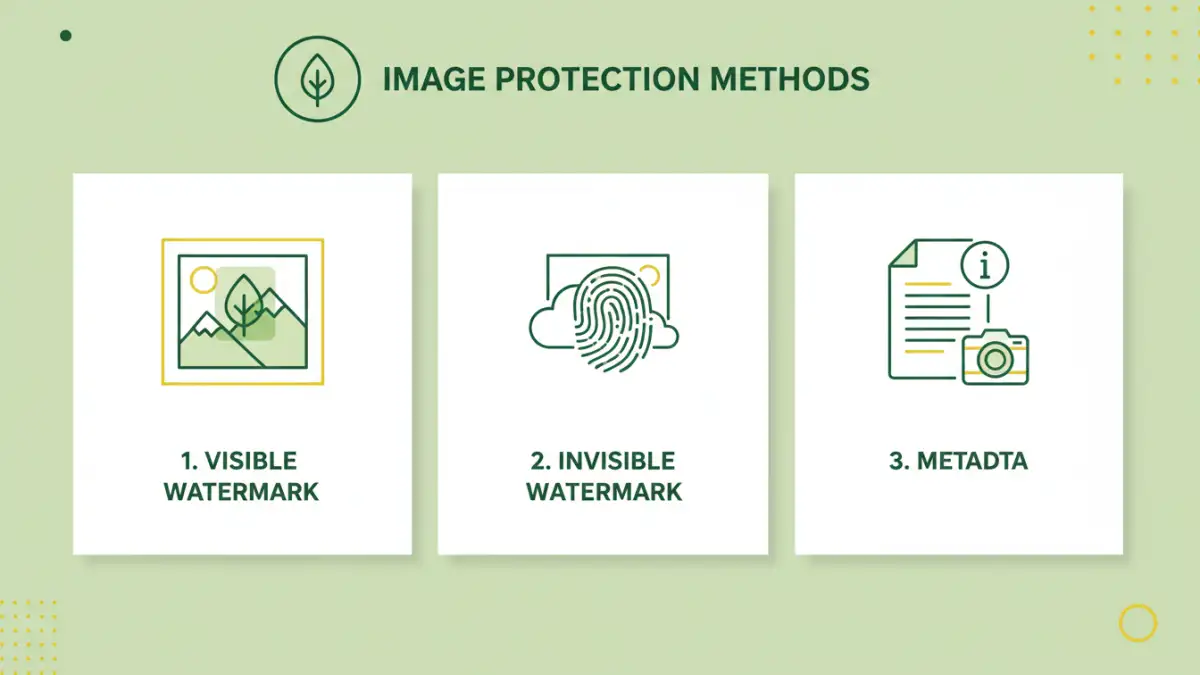
Watermarking is one of the most widely used and effective methods to prevent image theft. A watermark is essentially a visible or invisible mark placed on an image to identify its owner or copyright holder. The goal is to make the image less appealing for unauthorized use while still allowing legitimate viewers to appreciate the content.
Visible Watermarks
Visible watermarks are the most common type. They can range from a subtle logo or text overlay to a more prominent signature across the image. When implementing visible watermarks, consider their placement and opacity. A watermark placed in a corner might be easily cropped out, whereas one that spans across the subject of the image is harder to remove without significantly degrading the visual quality. I've found that a semi-transparent logo placed strategically can offer a good balance between protection and aesthetic appeal.
Invisible Watermarks
Beyond visible marks, invisible watermarking embeds data into the image that is not apparent to the naked eye but can be detected by specific software. This method is excellent for tracking the origin and spread of an image if it is stolen. While less of a deterrent to casual theft, it's invaluable for forensic analysis and proving ownership in legal disputes. This technology is becoming increasingly sophisticated, offering a robust layer of security.
Advanced Strategies for Image Piracy Prevention
While watermarking is effective, combining it with other strategies can create a more formidable defense against image piracy. Thinking defensively about how someone might try to steal or misuse your images will help you build a more comprehensive protection plan.
Metadata and Digital Signatures
Incorporating copyright information directly into the image's metadata (like EXIF data) is another crucial step. This information can include your name, contact details, and copyright status. While metadata can sometimes be stripped, it serves as an important record. Digital signatures go a step further by cryptographically embedding authentication, making it extremely difficult to alter without detection. This is particularly useful for professional workflows where authenticity is key.
Technical Restrictions
For website owners, implementing technical restrictions can deter casual theft. Disabling right-click saving on images or using JavaScript to prevent direct image downloads are common methods. However, it's important to note that these measures are not foolproof, as determined individuals can often find workarounds. They serve more as a deterrent to the average user rather than a hard barrier for sophisticated attackers. Secure photo sharing platforms also offer built-in protections.
Best Practices for Secure Photo Sharing
Beyond specific tools, adopting good habits is essential for maintaining control over your visual assets. Consistent application of these practices reinforces your overall security posture and helps to prevent image theft effectively.
Educate Yourself and Your Audience
Understand the legal rights you have and the tools available for protection. Similarly, educating your audience about the importance of respecting copyright can foster a more ethical online environment. When you share images, clearly stating your copyright and usage terms is vital. This transparency helps manage expectations and reduces the likelihood of accidental misuse.
Use High-Resolution Images Sparingly
If you share images online, consider whether you need to upload the highest resolution possible. Often, a slightly lower resolution image is sufficient for web display and reduces the quality for potential unauthorized reproduction. Reserve high-resolution files for licensed distribution or direct sales, where you have more control and a clear transaction.
Comparison Table: Watermarking and Other Image Protection Methods
| Method | Pros | Cons | Best For |
|---|---|---|---|
| Visible Watermarks | Clear ownership indicator, strong deterrent | Can be distracting, may be cropped | General online sharing, portfolios |
| Invisible Watermarks | Non-intrusive, forensic tracking | Requires detection software, not a visual deterrent | High-value assets, legal tracking |
| Metadata Embedding | Standardized, holds copyright info | Can be stripped easily | Basic copyright declaration |
| Technical Restrictions (e.g., No Right-Click) | Simple to implement for websites | Easily bypassed by tech-savvy users | Deterring casual copying |
| Secure Sharing Platforms | Controlled access, analytics | May require subscription, limits sharing options | Client proofing, private galleries |