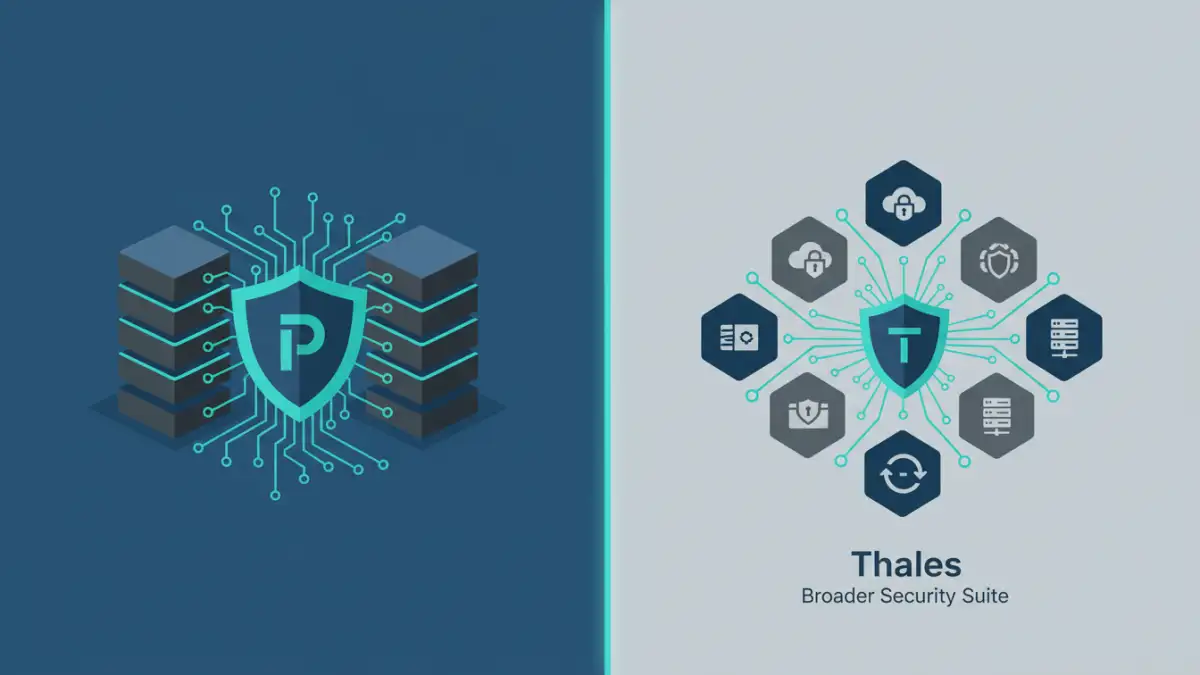
When it comes to safeguarding sensitive information, choosing the right data encryption solutions is paramount. Organizations often face the critical decision of selecting between leading providers like Protegrity and Thales. Both offer robust capabilities for protecting data at rest and in motion, but their approaches and strengths can differ significantly. Understanding these distinctions is key to implementing effective database security.
My experience has shown that the best choice often depends on specific organizational needs, existing infrastructure, and compliance requirements. Evaluating encryption software requires a deep dive into features, performance, and management overhead.
Table of Contents
Understanding Data Encryption Solutions
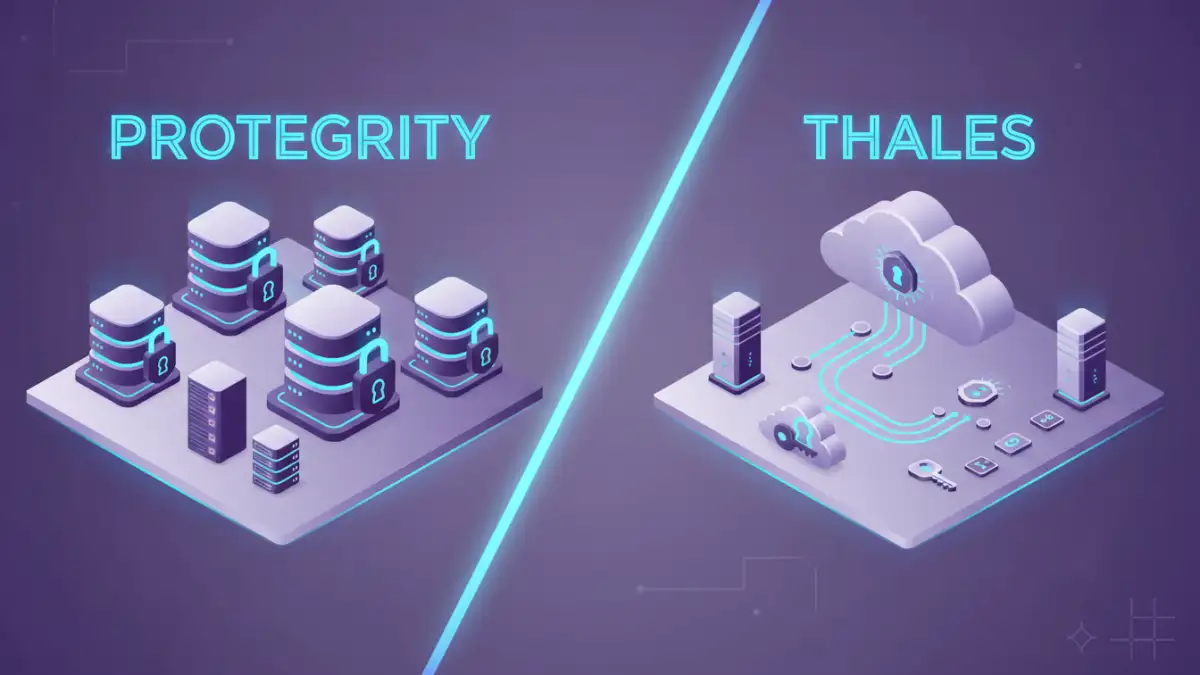
Data encryption is the process of encoding information so that only authorized parties can access it. This is achieved through complex algorithms and cryptographic keys. In the enterprise space, this often involves sophisticated encryption software designed to protect vast amounts of sensitive data stored in databases, applications, and cloud environments.
The Importance of Robust Encryption
Effective encryption is not just about compliance; it's a fundamental pillar of cybersecurity. It protects against data breaches, ensures customer trust, and maintains business continuity. Robust solutions offer features like granular access control, key management, and performance optimization to minimize impact on operations.
Protegrity: A Closer Look

Protegrity is well-regarded for its comprehensive data security platform, focusing heavily on protecting data at rest within databases and applications. Their solutions often emphasize fine-grained access control and robust key management, designed to meet stringent regulatory requirements.
Protegrity's approach typically involves tokenization, masking, and encryption, offering multiple layers of data protection. This makes it a strong contender for organizations dealing with highly sensitive data, such as financial institutions or healthcare providers, where detailed control over data access is critical.
Thales: A Closer Look
Thales, on the other hand, offers a broader spectrum of cybersecurity solutions, including a significant presence in data protection and encryption. Their offerings are known for their versatility, covering data-at-rest, data-in-use, and data-in-transit. Thales also provides strong capabilities in key management systems (KMS) and hardware security modules (HSM).
Thales's strength lies in its integrated approach, allowing organizations to manage encryption and keys across various environments, from on-premises to multi-cloud. This makes their solutions adaptable for complex, distributed IT infrastructures.
Key Differences: Protegrity vs Thales
When comparing Protegrity vs Thales, several key differences emerge. Protegrity often excels in deep database encryption and granular policy enforcement within specific data stores. Their focus is on providing an all-in-one solution for protecting structured data.
Thales offers a wider portfolio that might integrate more seamlessly with broader security ecosystems, including network security and identity management. Their HSMs are industry-leading for key protection, and their cloud-agnostic approach is a significant advantage for organizations embracing hybrid or multi-cloud strategies. The choice hinges on whether the primary need is deep database-centric protection or a more generalized, integrated data security posture.
Common Use Cases
Both Protegrity and Thales are deployed across various industries. For Protegrity, common use cases include securing sensitive customer data in financial services, protecting patient records in healthcare, and ensuring compliance with regulations like GDPR and CCPA through advanced data masking and encryption.
Thales solutions are frequently used in environments requiring centralized key management, securing cloud data, protecting intellectual property, and ensuring compliance for global enterprises. Their ability to secure data across different states (at rest, in use, in transit) makes them suitable for complex, high-security requirements.
Choosing the Right Solution
Selecting between Protegrity vs Thales requires a thorough assessment of your organization's specific requirements. If your primary concern is robust, granular encryption and data masking directly within your databases and applications, Protegrity might be the more tailored solution.
Conversely, if you need a more comprehensive data protection strategy that includes strong key management across hybrid cloud environments, network security integration, and hardware-level security, Thales could offer a more encompassing platform. It's also worth considering the vendor's support, roadmap, and overall ecosystem compatibility when making this critical decision for your data encryption solutions.
Comparison Table: Data Encryption Capabilities
| Feature | Protegrity | Thales |
|---|---|---|
| Primary Focus | Data-at-Rest (Databases, Applications) | Data Protection (At-Rest, In-Use, In-Transit), Key Management |
| Key Management | Robust, integrated | Industry-leading HSMs, comprehensive KMS |
| Data Masking/Tokenization | Strong capabilities | Available, often integrated with broader solutions |
| Cloud Support | Strong support for major clouds | Cloud-agnostic, hybrid/multi-cloud strengths |
| Integration | Deep database integration | Broader security ecosystem integration |
| Target Audience | Enterprises needing deep data-centric security | Enterprises needing comprehensive, integrated security |
Extra tips before you try to protegrity vs thales
First, confirm what kind of protection you are dealing with. Some PDFs require a password to open (user password), while others only restrict printing/copying/editing (owner password). The safest approach depends on which one you have.
For sensitive documents, prefer offline tools and avoid uploading confidential files to unknown websites. If you must use an online tool, read the privacy policy and delete uploaded files immediately after processing.
- Try a different PDF viewer (some apps cache old permissions)
- Re-download the file (corruption can cause false password errors)
- Check caps lock / keyboard layout for password entry
- Differentiate “permission password” vs “open password” prompts
- If it is not your file, request access from the owner