A failing hard drive can feel like a disaster, especially when critical project documents are on it. The panic sets in quickly when you realize your access to vital information is suddenly cut off. I've seen this scenario unfold more times than I can count, and the relief when a successful hard drive data rescue is achieved is palpable.
When a drive starts showing signs of distress – unusual noises, slow performance, or outright refusal to boot – time is of the essence. Acting swiftly and correctly can mean the difference between recovering your lost data and facing permanent loss. This isn't just about retrieving files; it's about salvaging projects, memories, and crucial business operations.
Table of Contents
Understanding Drive Failure
Hard drives can fail for a multitude of reasons, ranging from physical damage to logical errors. Physical failures often involve mechanical issues like head crashes or motor failures, usually accompanied by clicking or grinding noises. Logical failures, on the other hand, are typically software-related, such as file system corruption, accidental deletion, or partitioning errors.
Common Causes of Drive Issues
Recognizing the signs of a failing drive is the first step. Beyond audible cues, look for frequent error messages, slow read/write speeds, or files becoming inaccessible. Sometimes, the drive might not be detected by the operating system at all. Each symptom can point towards a different type of failure, influencing the recovery approach.
Initial Assessment and Precautions
Before attempting any recovery, it's crucial to stop using the drive immediately. Continued operation, especially if the drive is making unusual noises, can exacerbate physical damage and make data recovery impossible. Disconnect the drive and assess the situation calmly. If it's a critical project, the risk of permanent data loss necessitates careful handling.
Your initial assessment should involve identifying the type of failure. Is it a logical error (like accidental deletion or formatting) or a physical one (like clicking sounds or the drive not spinning)? This distinction is paramount because attempting the wrong recovery method can worsen the problem.
Software-Based Recovery Methods
For logical failures, several software tools can assist in creative file recovery. These programs scan the drive for deleted or corrupted file remnants. They work by analyzing the drive's file system structure and attempting to reconstruct files that are no longer listed in the directory. Many reputable software options are available, some free for basic use and others offering more advanced features for a fee.
When using recovery software, it's vital to install it on a different drive than the one you are recovering data from. This prevents the software's installation files from overwriting the very data you're trying to save. Always direct the recovered files to a separate, healthy storage device.
Step-by-Step Software Recovery
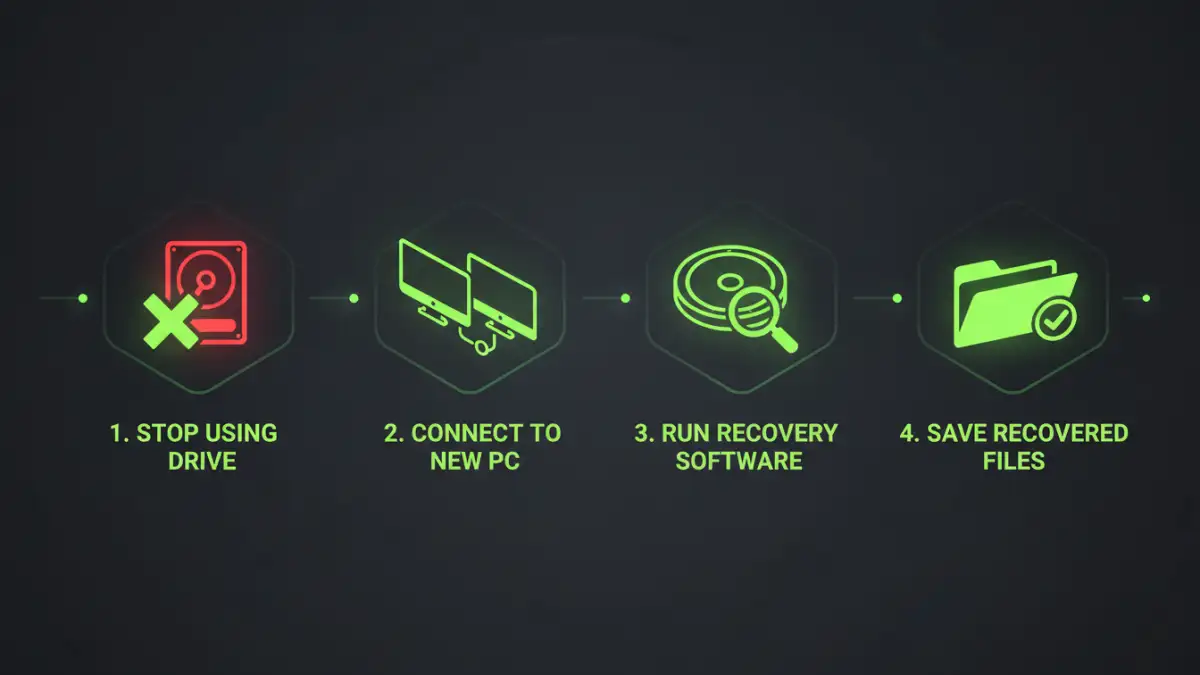
1. Stop Using the Drive: Immediately power down the computer or disconnect the affected drive.
2. Connect to Another System: Connect the damaged drive as a secondary drive to a healthy computer.
3. Install Recovery Software: Choose and install data recovery software on the healthy computer's primary drive.
4. Scan the Damaged Drive: Launch the software and initiate a scan of the affected drive. A deep scan is often necessary for best results.
5. Preview and Recover: Once the scan is complete, preview the found files to ensure they are intact. Select the files you need and save them to a different, reliable storage location.
Hardware and Professional Recovery
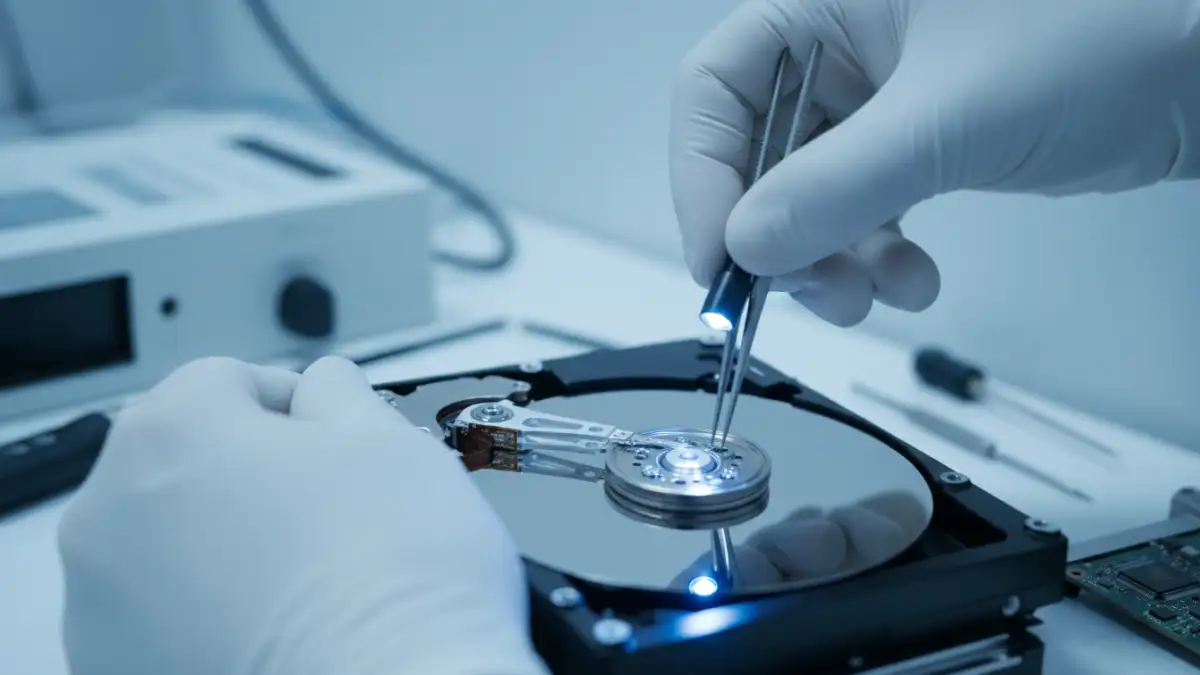
If the drive exhibits physical symptoms like clicking, grinding, or is not recognized by the system, software recovery is unlikely to succeed and could cause further damage. In such cases, professional data recovery services are the best option. These specialists have cleanroom environments and specialized tools to handle delicate physical repairs and data extraction.
While professional services can be expensive, they offer the highest chance of success for severely damaged drives. They can often perform a hard drive data rescue even when the drive appears completely dead. Weigh the cost against the value of the lost data to make an informed decision.
Preventative Measures for Data Loss
The best approach to damaged drive document recovery is to avoid the situation altogether. Implementing a robust data backup strategy is the most effective form of data loss prevention. Regularly back up important files to multiple locations, such as external hard drives, network-attached storage (NAS), or cloud services.
Regularly check the health of your storage devices using S.M.A.R.T. (Self-Monitoring, Analysis and Reporting Technology) tools. Early detection of potential issues can give you time to back up your data before a catastrophic failure occurs. Proactive measures are always more cost-effective and less stressful than reactive recovery efforts.
Comparison Table
| Recovery Method | Best For | Pros | Cons | Success Likelihood (Physical Damage) |
|---|---|---|---|---|
| Software Recovery | Logical errors, accidental deletion, formatting | Cost-effective, accessible | Ineffective for physical damage, risk of overwriting data | Low |
| DIY Hardware Repair (Advanced Users) | Minor physical issues (e.g., bad sectors) | Potentially cheaper than professional | High risk of further damage, requires expertise and tools | Very Low |
| Professional Data Recovery Services | Severe physical damage, complex logical issues, critical data | Highest success rate, specialized tools and cleanrooms | Expensive, time-consuming | High |