Working with password-protected documents can be frustrating, especially when you've forgotten the password or need to grant temporary access to a colleague. Over my years in software engineering, I've encountered numerous situations where securing documents was paramount, but also situations where access needed to be managed efficiently. This often involves dealing with PDFs that have restrictions or passwords preventing easy sharing.
It's crucial to understand that while strong encryption is vital for preventing unauthorized access, there are legitimate reasons why you might need to remove existing access controls. This could be for internal collaboration, compliance checks, or simply regaining access to your own files. Navigating these scenarios requires knowledge of different tools and techniques, ensuring you maintain security while also enabling necessary access.
Table of Contents
Understanding PDF Access Controls
PDFs can be secured in several ways, primarily through password protection and permission restrictions. Owner passwords prevent opening the file without a password, while user passwords (or permission passwords) allow the file to be opened but restrict actions like printing, copying text, or editing. Understanding which type of restriction is in place is the first step to removing unwanted access.
Types of PDF Restrictions
There are generally two levels of password protection on PDFs. The first is the 'open' password, which prevents anyone from opening the document without knowing it. The second is the 'permissions' password, which, once the document is opened, restricts certain actions like printing, copying, or modifying the content. Knowing the difference helps determine the best approach to remove these restrictions.
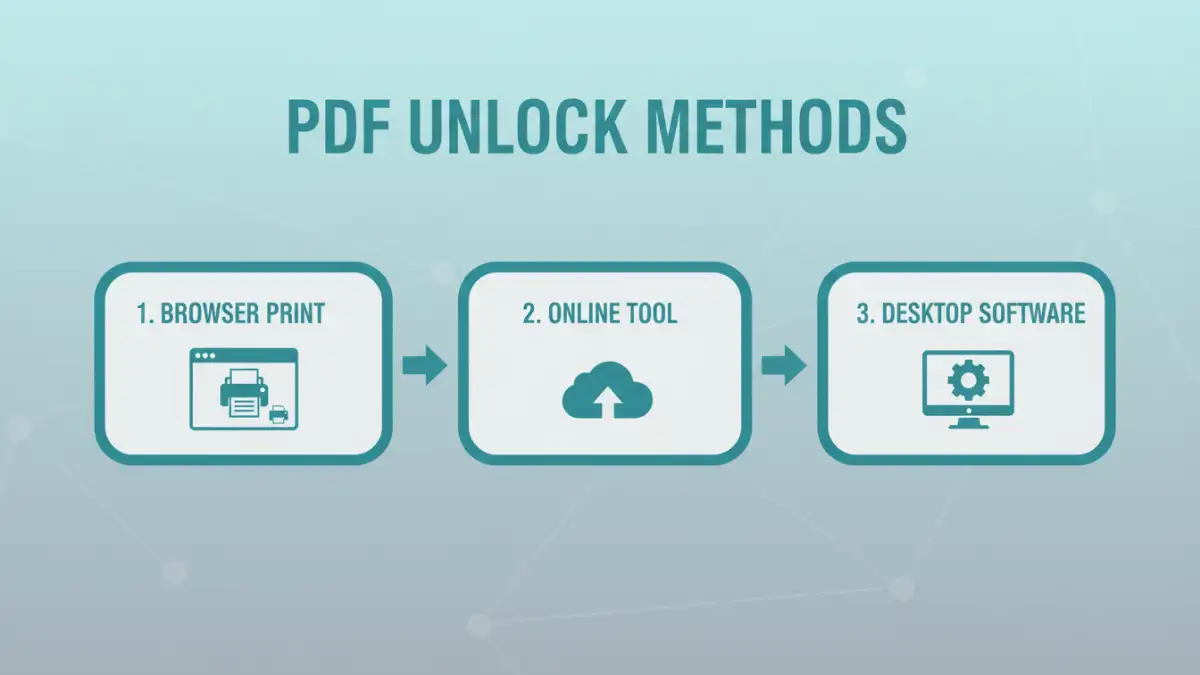
Method 1: Using the Print to PDF Feature (Browser)
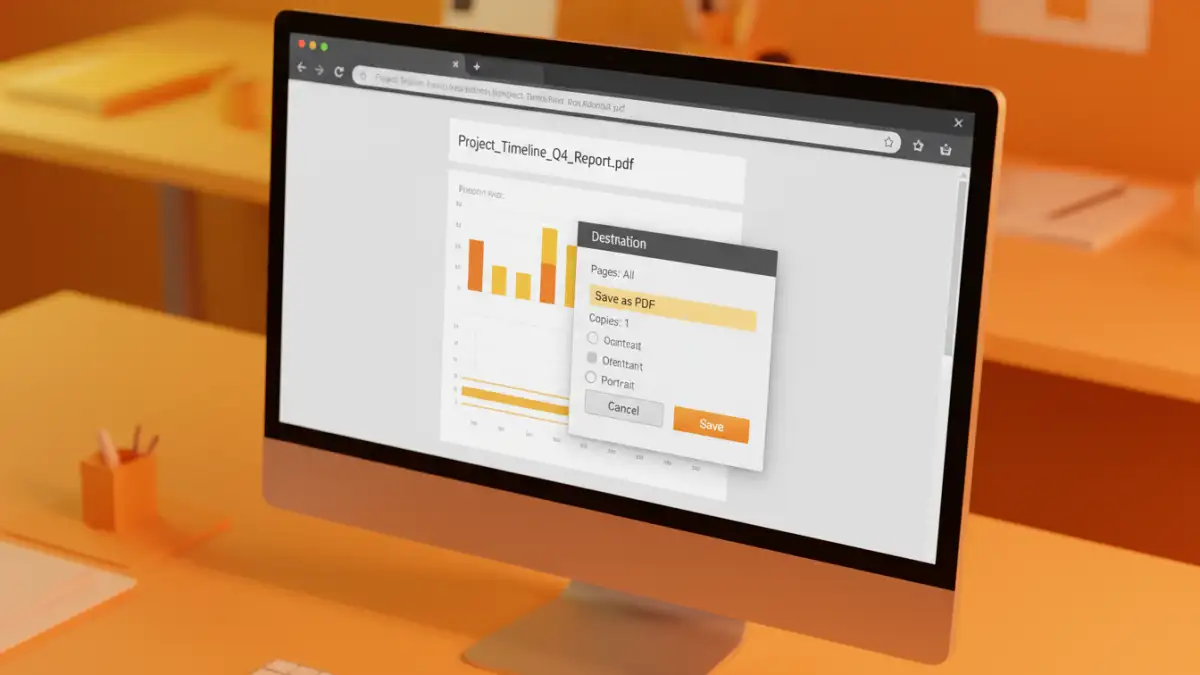
One of the simplest ways to bypass 'user' or 'permission' passwords (not 'owner' passwords that prevent opening) is by using your web browser's 'Print to PDF' functionality. If you can open the PDF in a browser (like Chrome, Firefox, or Edge) and the print function is not disabled, you can essentially 're-save' the document as a new PDF without the restrictions.
To do this, open the PDF in your browser. Go to 'File' > 'Print' or press Ctrl+P (Windows) / Cmd+P (Mac). In the print dialog box, select 'Save as PDF' or 'Microsoft Print to PDF' as your printer. Click 'Save'. This process effectively creates a new PDF file, stripping away any previous permission restrictions, though it won't remove an 'open' password.
Method 2: Leveraging Online PDF Unlocker Tools
Numerous online services specialize in removing PDF passwords and restrictions. These tools are often free for basic use and require no software installation. You simply upload your PDF, and the service processes it to remove the password or restrictions.
While convenient, using online tools comes with significant privacy considerations. You are uploading your potentially sensitive documents to a third-party server. It's crucial to use reputable services and understand their privacy policies. For highly confidential documents, this method might not be suitable. These tools are generally effective for removing permission passwords but may struggle with or fail to remove strong 'owner' passwords.
Method 3: Employing Desktop PDF Software
For more robust control and better security, dedicated desktop PDF software is often the best solution. Programs like Adobe Acrobat Pro, Foxit PhantomPDF, or even some free PDF editors offer features to remove passwords and manage permissions. These applications process files locally, offering better privacy than online tools.
If you know the 'owner' password, you can usually open the PDF in these applications and then remove or change the password and permissions through the document's security settings. If you only know the 'permissions' password, you can often remove those restrictions similarly. For 'owner' passwords where you don't know it, these programs might offer brute-force or dictionary attack options, but success is not guaranteed and can take a very long time, depending on password complexity.
Best Practices for PDF Security
When dealing with sensitive documents, proactive security measures are always better than reactive ones. Ensure you use strong, unique passwords for any PDFs you encrypt. Regularly review who has access to your cloud-stored documents and revoke access when no longer needed. Implementing robust cloud pdf security practices is essential in today's digital landscape.
Consider encryption methods beyond simple password protection for highly sensitive files. Utilize secure cloud sharing platforms that offer granular access controls, audit trails, and encryption at rest and in transit. Understanding the capabilities of your chosen cloud storage and PDF security tools will help you maintain control over your valuable information.
Comparison Table: PDF Access Removal Methods
| Method | Pros | Cons | Best For |
|---|---|---|---|
| Browser 'Print to PDF' | Free, no software needed, fast | Only removes permission restrictions, not 'open' passwords | Quickly removing print/copy restrictions on non-critical documents |
| Online PDF Unlocker Tools | Easy to use, accessible anywhere, often free | Privacy concerns, potential for malware, limited effectiveness on strong passwords | Removing simple permission restrictions when privacy is not a major concern |
| Desktop PDF Software (e.g., Adobe Acrobat Pro) | Powerful, high privacy (local processing), handles all password types (if known) | Often paid, requires installation, can be complex | Professionals needing comprehensive control over document security and access removal |