Working with sensitive documents often means you need to add notes, highlight key sections, or provide feedback directly within the file. Whether it's a legal contract, a project proposal, or a research paper, the ability to annotate is crucial. However, simply adding comments isn't always enough; you need to ensure these annotations, and the document itself, are kept safe from prying eyes or accidental changes. This is where understanding how to secure your PDF annotations becomes paramount.
My own experiences have shown me that clients and colleagues alike often overlook the security implications of their annotated documents. They might share a marked-up PDF without considering who else might see it or if it could be altered. Ensuring the integrity and privacy of these annotations is just as important as securing the original document itself.
Table of Contents
Understanding PDF Security Basics
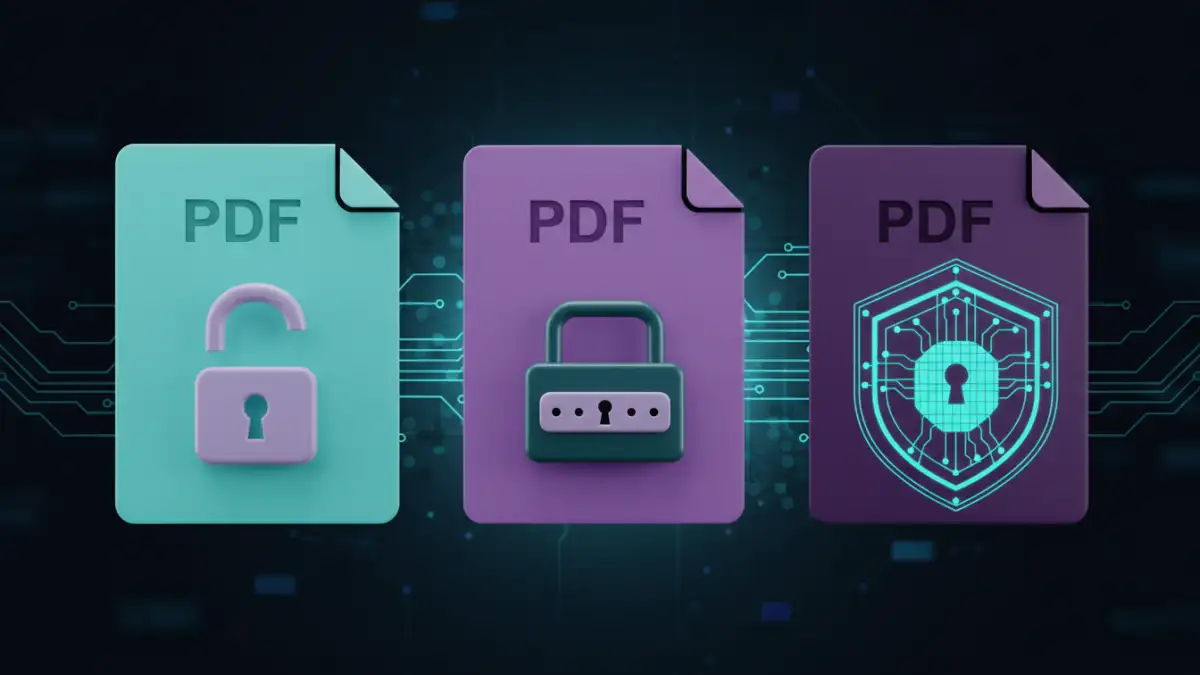
PDFs, while a universal format, can vary greatly in their security features. At their core, PDFs can be password-protected to restrict opening, printing, or editing. Beyond basic passwords, more advanced security measures involve encryption, which scrambles the document's content, making it unreadable without the correct key. Understanding these foundational elements is the first step toward protecting your annotated documents.
The Importance of Data Integrity
When we talk about security, it's not just about preventing unauthorized access. It's also about maintaining data integrity. This means ensuring that the annotations you add are exactly as you intended and haven't been tampered with by anyone else. This is especially critical in legal or financial contexts where even a minor alteration could have significant consequences.
Methods for Secure Annotation
There are several ways to approach secure PDF annotation, depending on your needs and the tools available. Some methods involve using built-in features of PDF readers, while others leverage specialized software. The goal is always to add your markups in a way that is protected and can be shared with confidence.
Using Built-in PDF Reader Features
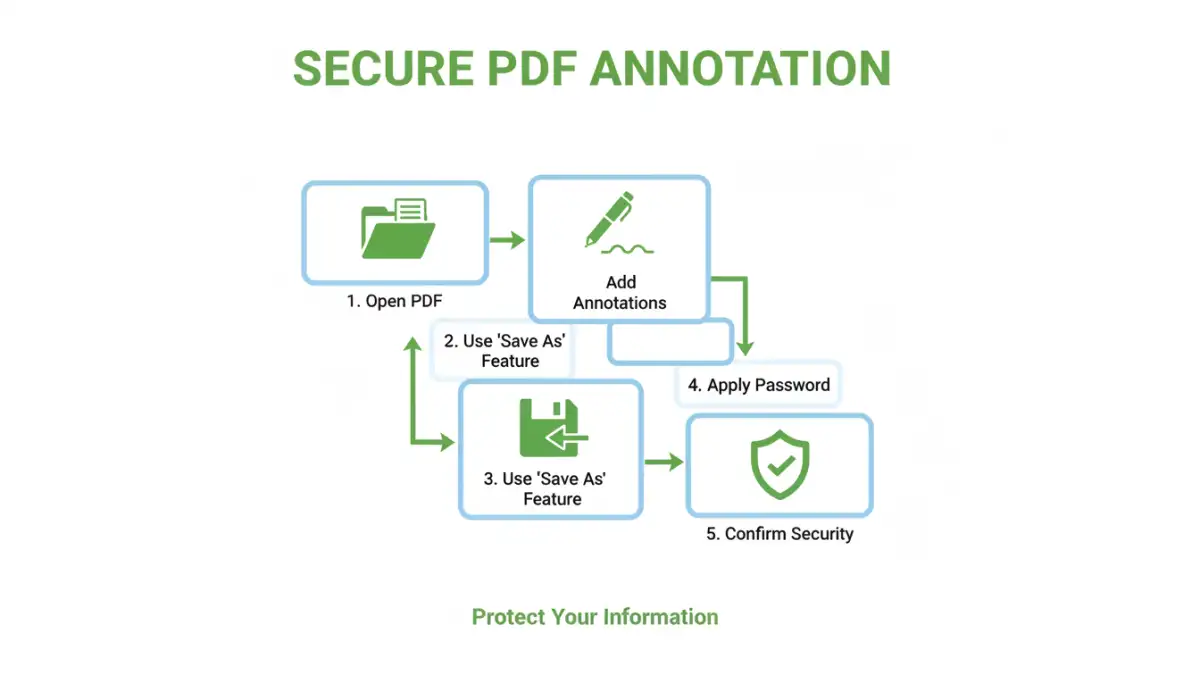
Many popular PDF readers, like Adobe Acrobat Reader, offer annotation tools. While they are excellent for adding comments, highlighting, and drawing, they don't inherently encrypt these annotations. To secure them, you often need to combine these tools with other security features, such as saving the annotated file as a new, password-protected PDF. This process essentially flattens the annotations into the document, making them part of the static content.
Leveraging Specialized Annotation Software
For more robust security, dedicated PDF annotation software can be a better choice. These tools often provide advanced options, such as digitally signing your annotations, embedding metadata that tracks changes, or even applying document-level security settings before you begin marking up. Some enterprise-level solutions offer granular control over who can view or edit annotations.
Encryption and Password Protection
When you need to ensure your markups are truly private, encryption and password protection are your strongest allies. These features prevent anyone without the correct credentials from accessing the document or making changes.
Password Protection for PDFs
The most common method is applying a password to your PDF. This can restrict opening the document entirely, or it can allow viewing but prevent printing, copying, or editing. When you annotate a PDF and then save it with a password, your markups become part of the protected content. It's important to choose strong, unique passwords and manage them securely.
Advanced Encryption Techniques
Beyond simple password protection, some tools offer stronger encryption algorithms (like AES-256). This is particularly important for highly sensitive documents where even a brute-force attack might be a concern. While this level of security might seem like overkill for everyday notes, it's essential for confidential business information, personal records, or intellectual property.
Best Practices for Safe Markups
Beyond the technical steps, adopting good habits is crucial for keeping your annotated documents secure. It's about a holistic approach to document safety.
Regularly Save and Backup
Always save your annotated work frequently. Consider creating backups of your marked-up files in a secure location, such as an encrypted external drive or a reputable cloud storage service that offers its own security features. This protects against data loss and accidental overwrites.
Understand Sharing Permissions
When sharing an annotated PDF, be mindful of the recipient and the method of sharing. Email attachments can be intercepted, and cloud links might be accessible to unintended parties if not configured correctly. Consider using secure file-sharing services or password-protected zips if the annotations contain highly sensitive information.
Tool Comparison for Secure Annotation
Choosing the right tool can significantly impact how easily and securely you can annotate PDFs. Here's a look at common approaches and their trade-offs:
Comparison Table: Secure PDF Annotation Methods
| Method | Ease of Use | Security Level | Features | Best For |
|---|---|---|---|---|
| Built-in PDF Reader Tools + Save As Password | High | Moderate | Basic annotation, view/edit restrictions | General use, protecting final versions |
| Dedicated PDF Editors (e.g., Adobe Acrobat Pro) | Moderate | High | Advanced annotation, encryption, digital signatures | Professional use, sensitive documents |
| Online PDF Annotation Tools | Very High | Low to Moderate (depends on provider) | Quick markup, web-based access | Non-sensitive documents, quick edits |
| Secure Document Management Systems | Moderate | Very High | Collaboration, version control, granular permissions | Team projects, enterprise environments |
When you need to perform secure pdf annotation, understanding the capabilities of each tool is key. For most users, combining the annotation features of a free reader with the saving capabilities of PDF software to add password protection offers a good balance of security and usability. For more critical applications, investing in professional software or a secure document management system becomes necessary.