Working with password-protected documents can sometimes present challenges, especially if you've forgotten the password or need to grant access to a colleague. OpenDocument files, commonly known as ODT, are widely used in office suites like LibreOffice and OpenOffice. While password protection is a valuable security feature, there are legitimate scenarios where you might need to bypass it. Understanding how to approach this situation securely is paramount.
My own experience has shown that these situations often arise unexpectedly. Whether it's an old file you need to revisit or a shared document where access needs to be broader, having reliable methods is essential. The key is to ensure that any process undertaken is both effective and doesn't compromise the integrity or security of your data further.
Table of Contents
Understanding ODT Passwords
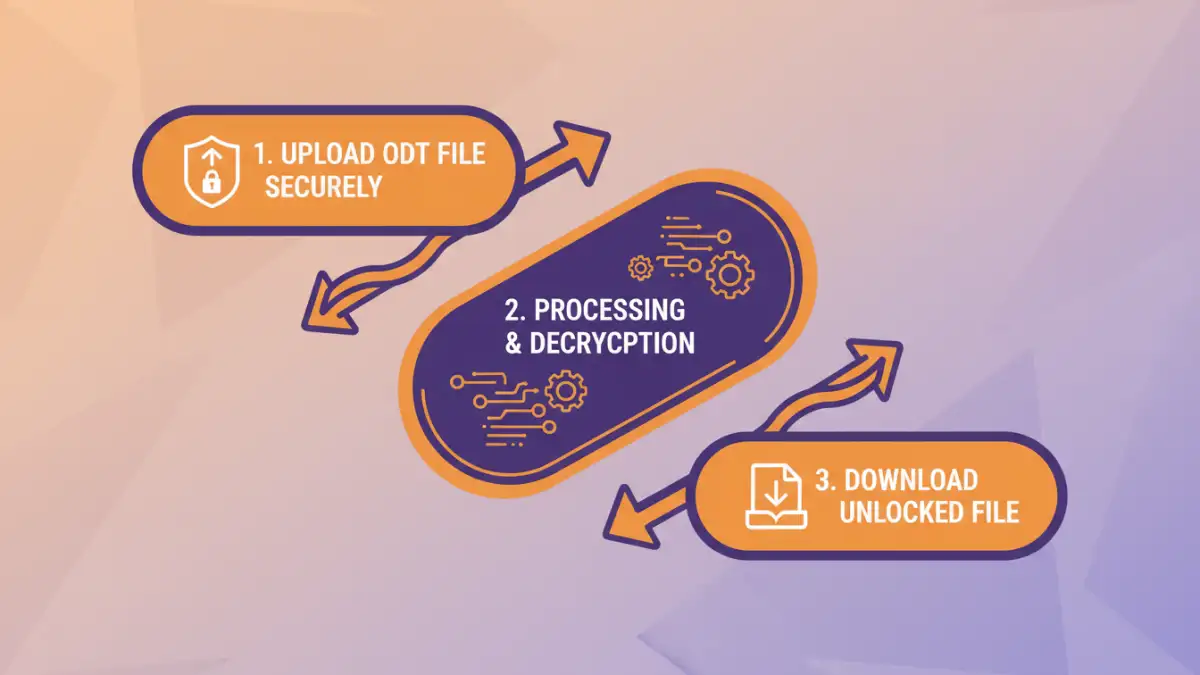
OpenDocument files can be protected using various encryption methods. The strength of this protection depends on the software version and the encryption algorithm used. Older versions might use weaker encryption, making them more susceptible to certain recovery or removal techniques. Newer versions often implement more robust security measures.
Types of ODT Encryption
The primary concern with ODT files is the encryption applied to the document's content. When a password is set, the file's data is scrambled. Accessing the content requires the correct password to decrypt it. This process ensures that only authorized individuals can view or modify the document.
Methods for Password Removal

When you need to remove a password from an ODT file, especially if you've lost it, the approach can vary. It's important to distinguish between situations where you are the legitimate owner of the file and have simply forgotten the password versus trying to access someone else's protected file. This guide focuses on legitimate scenarios.
For legitimate owners, the goal is to regain access to their own data. This often involves techniques that exploit how the password protection is implemented. The effectiveness of these methods can depend heavily on the specific ODT version and the encryption used.
Legal and Ethical Considerations
Before attempting any password removal, it's crucial to consider the legal and ethical implications. You should only attempt to remove passwords from files you own or have explicit permission to access. Unauthorized access to protected files can have serious legal consequences.
Browser-Based Approach
One common method involves leveraging the functionality of LibreOffice or similar office suites that can open ODT files. If you know the password, the process is straightforward: open the document, go to the save options, and choose to save it without a password, or re-save it with a new password or no password at all. However, if the password is lost, this direct method is not an option.
A more indirect browser-based technique sometimes involves opening the ODT file in a compatible online editor. Some online platforms allow you to upload a password-protected ODT file, prompt for the password, and then offer options to save it as a new file, potentially without the password if the platform supports it. This is less about true password removal and more about re-exporting the content.
Desktop Software Options
For more complex scenarios or when browser-based methods fail, dedicated desktop software can be employed. These tools are designed to interact with file encryption at a deeper level. Some software might attempt brute-force attacks or use dictionary attacks to guess the password, which can be time-consuming and not always successful, especially with strong passwords.
Other desktop applications might work by decrypting the file if they can exploit a vulnerability or known weakness in the encryption used by older ODT versions. It's vital to use reputable software from trusted sources to avoid malware or further security risks. I've seen colleagues use specialized recovery tools, but success is never guaranteed and depends heavily on the password's complexity and the encryption standard.
Best Practices for Document Security
Preventing the need for password removal in the first place is always the best strategy. When securing your ODT files, use strong, unique passwords that are difficult to guess. Consider using a password manager to keep track of your credentials securely.
Regularly back up your important documents, both password-protected and unprotected. This ensures that even if you encounter issues with a specific file, you have a recovery option. For sensitive data, explore advanced encryption methods or secure storage solutions beyond simple password protection.
Comparison Table
| Method | Ease of Use | Effectiveness (Lost Password) | Security Risk | Best For |
|---|---|---|---|---|
| Re-saving (if password known) | Very High | N/A | Low | Known passwords, simple sharing |
| Online Editors | High | Moderate (depends on platform) | Moderate (privacy concerns) | Quick access, less sensitive docs |
| Desktop Recovery Tools | Moderate to Low | Variable (depends on tool/password) | Moderate to High (malware risk) | Last resort for forgotten passwords |
| Password Managers | High (for management) | N/A (prevents loss) | Low (if managed well) | Preventing password loss, strong security |