
With the growing scrutiny around data privacy and regulations like GDPR, securing sensitive documents has become a non-negotiable aspect of business operations. As a software engineer, I’ve seen firsthand how critical it is for organizations to implement robust measures to protect personal data. Simply having policies isn't enough; the technical implementation of those policies is where true compliance takes root.
Table of Contents
The Imperative of Document Encryption for GDPR
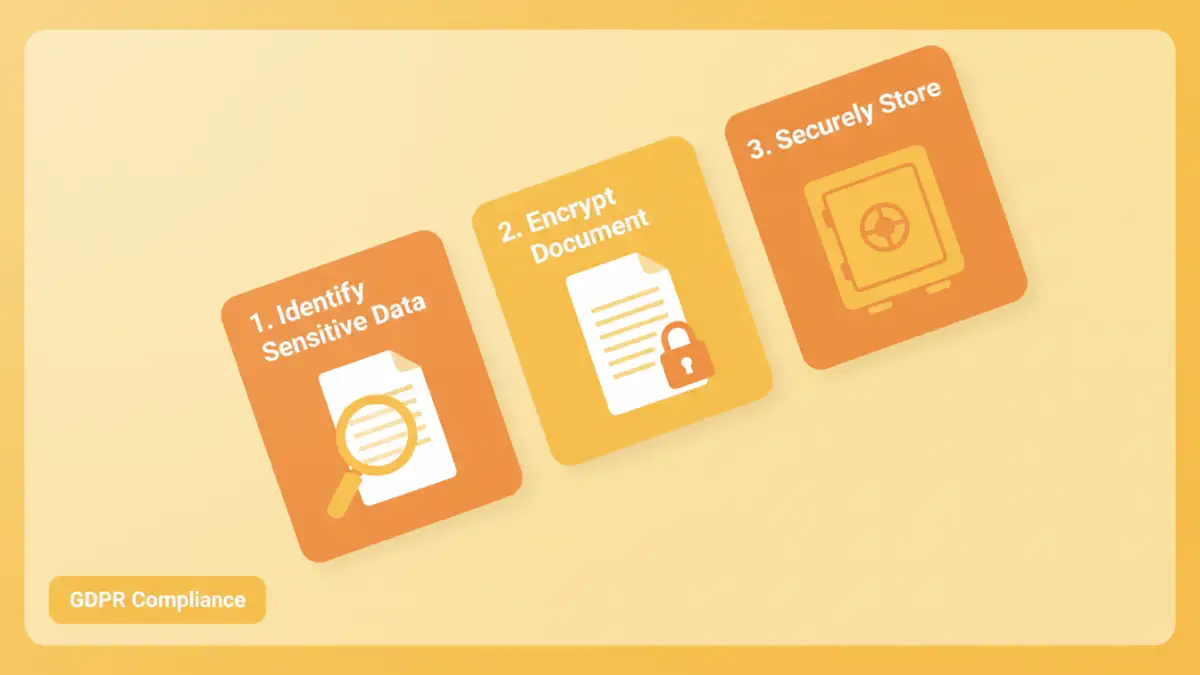
The General Data Protection Regulation (GDPR) mandates strict requirements for how personal data is collected, processed, and stored. Article 32, in particular, emphasizes the need for 'appropriate technical and organisational measures' to ensure a level of security appropriate to the risk. This often means that `document encryption GDPR` is not just a best practice, but a foundational requirement for many types of sensitive data.
Understanding GDPR's Stance on Data Security
GDPR is clear: organizations must protect personal data from unauthorized access, disclosure, alteration, and destruction. Encryption is widely recognized as one of the most effective technical measures for achieving this. It renders data unintelligible to anyone without the correct decryption key, significantly reducing the risk of a data breach and helping organizations meet their obligations under `data protection laws`.
From a compliance perspective, demonstrating that you have encrypted sensitive documents can be a strong defense in the event of a security incident. It shows due diligence in protecting individuals' rights and freedoms. Failure to implement such measures can lead to significant fines and reputational damage, making proactive security paramount.
Core Encryption Methods for Securing Files
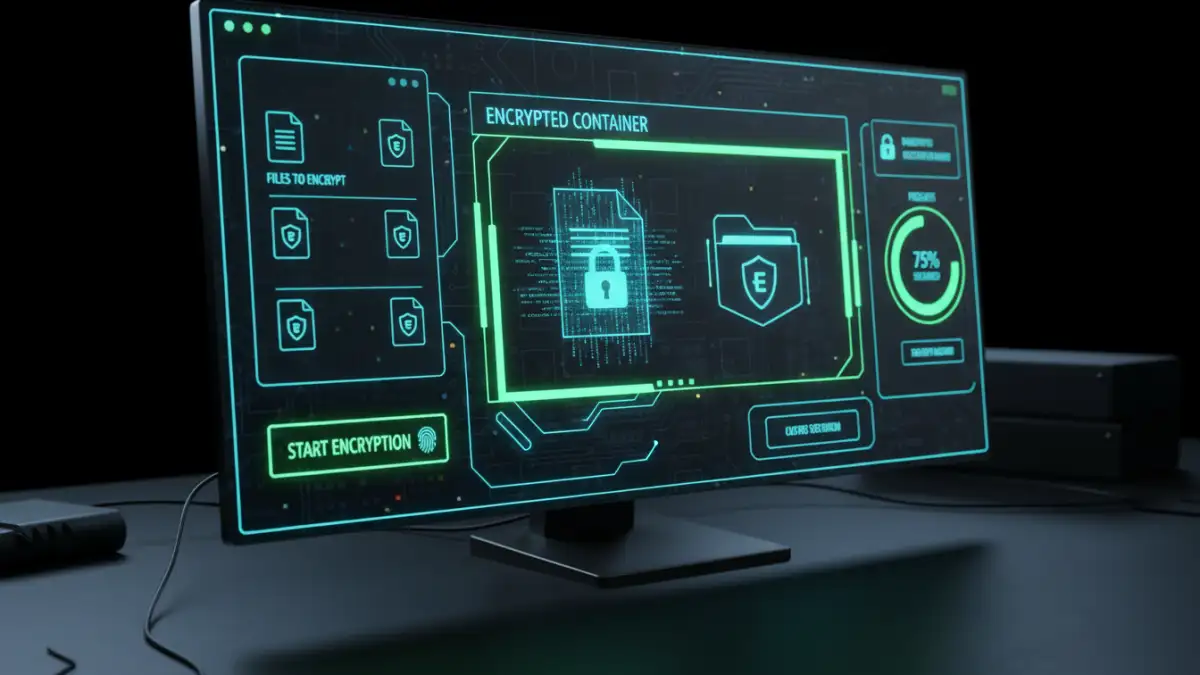
When it comes to encrypting documents, several methods are available, each with its own advantages and suitable use cases. Understanding these options is key to choosing the right strategy for your organization's `GDPR document security` needs.
Built-in Operating System Features
Modern operating systems offer powerful built-in encryption capabilities. Windows provides BitLocker, which can encrypt entire drives, including the system drive and removable media. macOS offers FileVault, providing full-disk encryption for Apple devices. These features are excellent for securing files at rest on a user's device or server.
Additionally, many common applications like Microsoft Office suites allow you to password-protect and encrypt individual documents. While convenient, the strength of this protection can vary, and it's essential to use strong, unique passwords for maximum effectiveness.
Dedicated Software and Cloud Solutions
Beyond OS-level encryption, specialized software like VeraCrypt (open-source) or commercial solutions offer robust file and disk encryption. These tools often provide more granular control over encryption settings and can be used to create encrypted containers for `secure files` that can be easily transported or shared.
For organizations utilizing cloud storage, most reputable providers (e.g., Google Drive, OneDrive, Dropbox) offer encryption for data both in transit and at rest. However, it's crucial to understand who holds the encryption keys. Client-side encryption, where you encrypt data before uploading it to the cloud, offers an extra layer of protection, ensuring only you control access to your `personal data encryption` keys.
Practical Steps for Implementing Document Encryption
Implementing document encryption doesn't have to be overly complex, especially for common file types. Here are some practical steps I often recommend to teams I work with, focusing on widely used tools.
Encrypting Office Documents
For Microsoft Word, Excel, and PowerPoint files, the process is straightforward:
- Open the document you wish to encrypt.
- Go to 'File' > 'Info' > 'Protect Document' (or Workbook/Presentation).
- Select 'Encrypt with Password'.
- Enter a strong password and confirm it. Remember, if you lose this password, the document is irrecoverable.
This method encrypts the document, requiring the password for anyone to open and read its contents. It's a quick win for securing individual files.
Securing PDFs
PDFs are ubiquitous, and securing them is equally important. Adobe Acrobat Pro provides robust encryption options:
- Open the PDF in Adobe Acrobat Pro.
- Go to 'File' > 'Protect Using Password' (or 'Protect' > 'Encrypt' > 'Encrypt with Password').
- Choose whether to restrict opening the document or restrict editing/printing.
- Set a strong password.
Many free online PDF tools also offer password protection, but always exercise caution regarding privacy when uploading sensitive documents to third-party web services.
Best Practices for Robust GDPR Document Security
Beyond the technical implementation of encryption, a comprehensive approach to `GDPR document security` involves several best practices to ensure continuous protection of sensitive information.
Key Management and Access Control
Encryption is only as strong as its key management. Develop clear policies for generating, storing, and rotating encryption keys. Avoid hardcoding keys or storing them in easily accessible locations. Implement strict access controls, ensuring only authorized personnel can access encrypted documents and their corresponding keys. Role-based access control (RBAC) is highly effective here.
Regular Audits and Training
Technology evolves, and so do threats. Regularly audit your encryption practices and `secure files` to ensure they remain effective and compliant. Conduct periodic training for all employees on data security best practices, including the importance of using strong passwords, identifying phishing attempts, and understanding their role in maintaining `personal data encryption` standards. Human error remains a significant vulnerability, and continuous education is a powerful defense.
Encryption Method Comparison for GDPR Compliance
| Method | Pros | Cons | GDPR Suitability |
|---|---|---|---|
| OS Full-Disk Encryption (BitLocker, FileVault) | Secures all data at rest on a device; transparent to user after unlock. | Requires OS support; potential performance overhead. | High (Protects against device loss/theft) |
| Application-Level Encryption (Office, PDF tools) | Easy to use for individual files; widely available. | Security strength can vary; password loss means data loss. | Medium (Good for specific documents, not system-wide) |
| Dedicated Encryption Software (VeraCrypt) | Strong, customizable encryption; cross-platform compatibility. | Requires installation and user training; can be complex. | High (Robust for sensitive data containers) |
| Client-Side Cloud Encryption | You control the keys; data is encrypted before upload. | Requires specific tools/services; adds a step to workflow. | High (Mitigates cloud provider access risk) |