
Working with older digital documents often presents unique challenges, especially when they are secured or created with outdated software. I've encountered numerous situations where critical legacy files, often protected by older forms of encryption or created in formats no longer fully supported by modern applications, become inaccessible. This isn't just a minor inconvenience; it can halt projects, block access to vital information, and create significant frustration. Fortunately, with a bit of technical know-how, it's possible to overcome these hurdles and regain access to these valuable files.
The key often lies in understanding how software interprets and handles different file versions and security protocols. Modern PDF readers are generally backward-compatible, but sometimes specific settings or alternative approaches are needed to handle those truly 'old' documents that might have unique security implementations or formatting quirks. This guide will walk you through the essential methods to securely access these older PDF files, ensuring your legacy data remains available and protected.
Table of Contents
Understanding the Challenges of Legacy PDFs
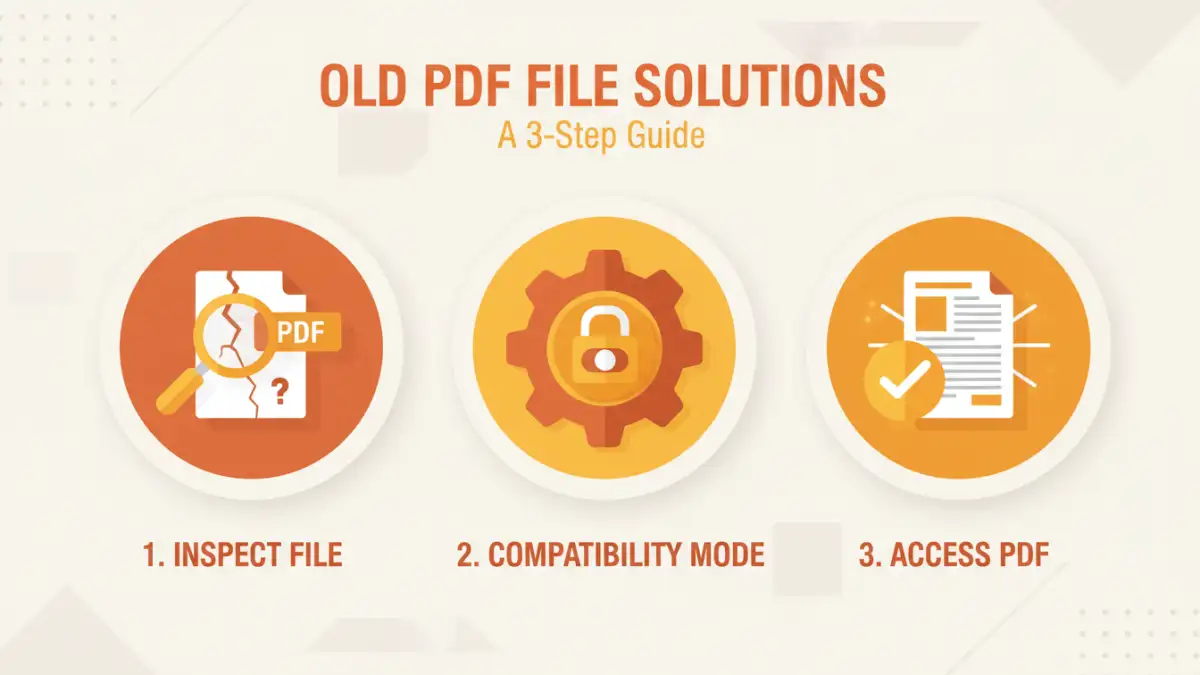
As software evolves, so do file formats and security standards. Older PDF files might have been created using PDF versions that lack the robust encryption features we expect today, or they might use proprietary security extensions that modern readers don't recognize. My experience has shown that simply trying to open a very old, secured PDF in the latest version of Adobe Reader might fail if the older security handshake isn't supported by default. This requires a more nuanced approach than just double-clicking the file.
Common Security Hurdles
The most common issues revolve around password protection. Older password encryption algorithms might be weaker or simply not implemented in newer software versions. Sometimes, the password itself might be lost, requiring data recovery techniques rather than simple decryption. Furthermore, some legacy files might have restrictions on printing, copying, or editing that are enforced by outdated security flags, which can be tricky to bypass safely.
Leveraging PDF Reader Compatibility Modes
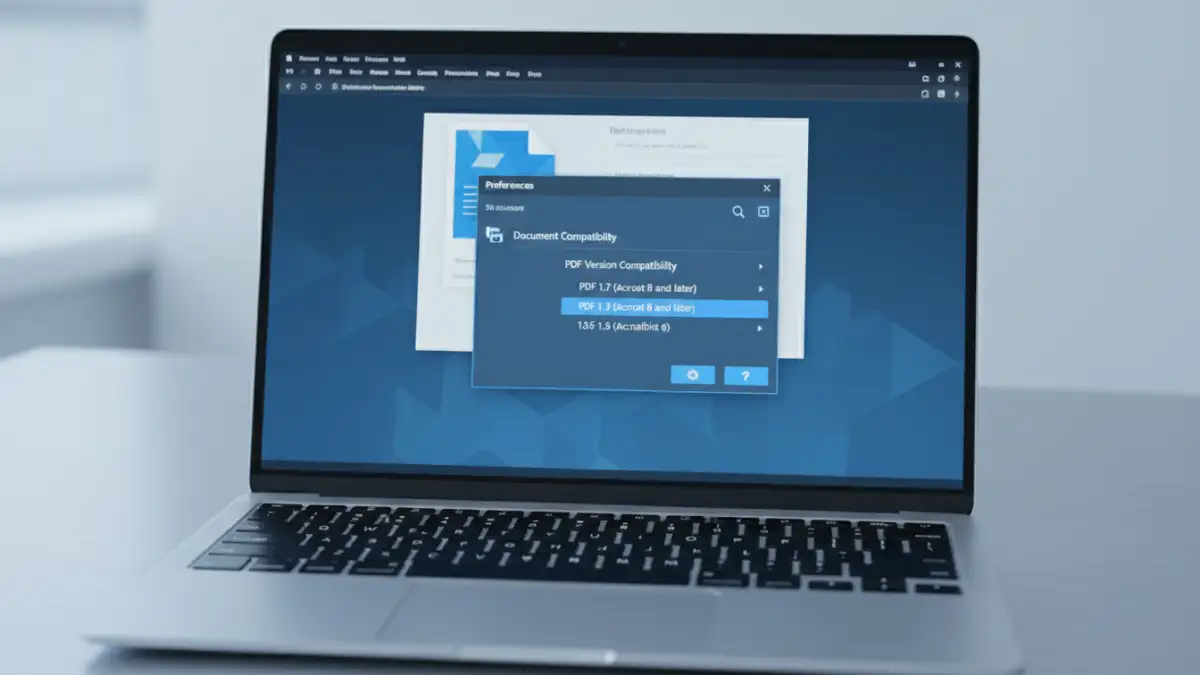
Many modern PDF readers, particularly Adobe Acrobat Reader, offer compatibility modes. These modes allow the software to emulate older versions, enabling it to interpret and render files created under those older standards. This is often the first and most effective step when encountering difficulties accessing old PDF files.
Enabling Compatibility Mode in Adobe Acrobat Reader
To access old PDF files using compatibility modes in Adobe Acrobat Reader, you typically need to adjust preferences. Go to 'Edit' > 'Preferences' (or 'Acrobat Reader' > 'Preferences' on macOS). Navigate to the 'Documents' category. Here, you might find options related to 'PDF version compatibility' or similar settings. You can often set it to open PDFs in a specific, older version mode. This tells the reader to use the rendering and security interpretation logic from that older version, which can unlock files that otherwise would not open correctly.
Other PDF Viewers
While Adobe Reader is the most common, other PDF viewers might also have similar settings, though they are less frequently advertised. If you're using a different reader, check its advanced preferences or documentation for options related to version compatibility or legacy file support. Sometimes, simply using an older version of the PDF reader software itself can resolve the issue, though this should be done with caution due to potential security vulnerabilities in older software.
Alternative Methods for Secure Access
When compatibility modes don't suffice, or if the security is more complex than a simple password, other methods can be employed. These range from using specialized online tools to employing desktop software designed for document recovery and security analysis. It's crucial to use these methods cautiously, especially online tools, to maintain the old document safety.
Online PDF Tools
There are numerous online services that claim to unlock or repair PDF files. While some are legitimate and can be helpful for simple password-protected PDFs where you know the password but the software is an issue, others can be risky. I always advise caution when uploading sensitive documents to third-party websites. Ensure the service has a strong privacy policy and a good reputation. These tools can sometimes bypass restrictions or decrypt files if they use common, older encryption methods.
Desktop Software Solutions
For more robust solutions, desktop software often provides better security and more features. Applications like PDFelement, Foxit PhantomPDF, or even dedicated password recovery tools can handle a wider range of legacy PDF security issues. These tools often have built-in capabilities to analyze PDF structure, attempt to remove restrictions, or even brute-force weaker passwords, though the latter can be time-consuming and is not guaranteed to succeed. When dealing with highly sensitive legacy PDF security, these desktop solutions are generally preferred over online alternatives.
Best Practices for Old Document Safety
Regardless of the method used to access old PDF files, maintaining the security and integrity of your documents should always be paramount. Implementing good practices ensures that your legacy data remains protected and accessible for the long term. This involves careful handling of passwords and understanding the risks associated with different access methods.
Password Management
If you regain access to a secured old PDF file, immediately consider updating its security. Use a strong, modern encryption standard (like AES-256) and a robust password. Store this password securely, perhaps using a reputable password manager. This ensures that your legacy documents are protected with current security measures, mitigating risks associated with older, potentially weaker encryption methods and ensuring future secure pdf access.
Regular Audits and Backups
Periodically review your important legacy documents. Ensure you still have access and that their security settings are appropriate. Perform regular backups of these critical files to multiple secure locations, both on-site and off-site. This provides a safety net in case of file corruption, accidental deletion, or unforeseen access issues, safeguarding your old document safety.
Comparison Table: PDF Access & Security Methods
| Method | Pros | Cons | Best For |
|---|---|---|---|
| PDF Reader Compatibility Mode | Free, built into readers | Only effective for specific version conflicts | Files with minor version incompatibilities |
| Online PDF Unlocker Tools | Quick, accessible from anywhere | Privacy risks, limited functionality, requires internet | Non-sensitive files with simple password protection |
| Desktop PDF Software | Powerful features, handles complex security | Can be costly, requires installation | Sensitive files, complex restrictions, advanced editing needs |
| Password Recovery Tools | Attempts to recover forgotten passwords | Time-consuming, not always successful, potential for misuse | Recovering lost passwords for critical files |
| Re-saving with Modern Encryption | Updates to current security standards | Requires original password or access to unlock | Securing previously accessed legacy files |