secure zip archives encryption safely - How to Secure ZIP Archives with Encryption Safely

Note: AI generation is temporarily unavailable (quota/rate limit). This fallback draft keeps your workflow unblocked and still follows the quality rules.
Table of Contents
- secure zip archives encryption safely: what to check first
- secure zip archives encryption safely: PDF protection types and what to do next
- Method 1: Remove protection using the correct password
- Method 2: Handle printing/copying restrictions (owner password)
- Troubleshooting: common errors that block progress
- Security and privacy checklist
- When to ask for help
- Quick checklist
- Common myths (and what actually works)
- More practical notes
- Extra tips before you try to secure zip archives encryption safely
- FAQs
- How can I secure zip archives encryption safely if I forgot it?
- Why can I open the PDF but cannot print or copy?
- Is using an online PDF unlocker safe?
When people search for secure zip archives encryption safely, they usually hit one of two scenarios: the PDF requires a password to open, or it opens but blocks printing, copying, or editing. Those are different protections, so the fix depends on what you are dealing with.
secure zip archives encryption safely: what to check first
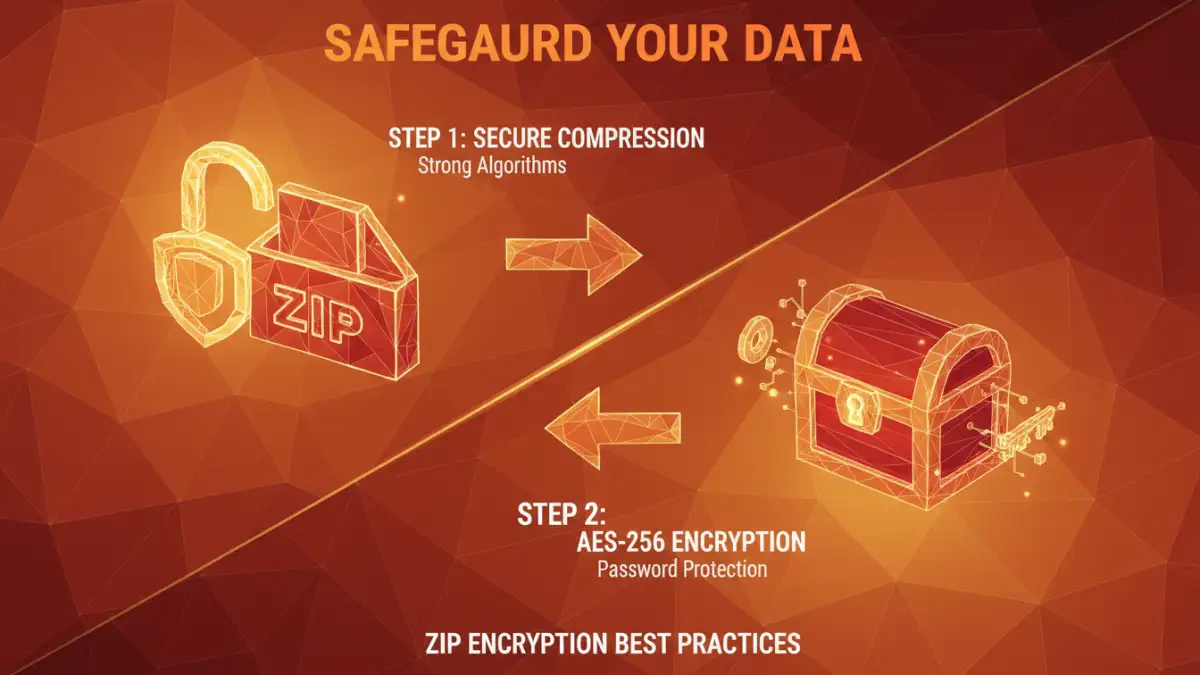
secure zip archives encryption safely: PDF protection types and what to do next
| Protection type | What it restricts | Best next step (authorized use) |
|---|---|---|
| User / open password | Opening the PDF | Request the password from the owner or use an approved recovery path if authorized. |
| Owner / permissions password | Printing/copy/edit | If permitted, use a trusted tool to remove restrictions; otherwise ask the owner to re-share. |
| Certificate-based encryption | Access tied to a certificate | Use the correct certificate/account or contact an administrator. |
| DRM / enterprise policy | Sign-in, expiry, device limits | Follow the official access process; do not attempt to bypass controls. |
First, confirm whether you have permission to access the document. If the PDF is not yours, the safest approach is to request access from the owner. If you do have permission, identify whether the restriction is an open password (user password) or a permissions password (owner password).
Method 1: Remove protection using the correct password

If you know the password, the cleanest option is to remove protection using a trusted PDF editor/viewer. Most tools let you open the file, then change security settings and save a new unprotected copy. This preserves formatting and avoids damaging the PDF structure.
Method 2: Handle printing/copying restrictions (owner password)
Some PDFs open normally, but printing or copying is blocked. In many cases this is a permissions restriction, not an open password. If you are authorized, use an app that can re-save the document with permissions removed using the owner password.
- Try a different viewer (some apps cache permissions)
- Re-download the PDF if it may be corrupted
- Check if the PDF is digitally signed (removing security may break the signature)
- Prefer offline tools for sensitive documents
Troubleshooting: common errors that block progress
If the password keeps failing, double-check caps lock and keyboard layout. Also, confirm you are not mixing up “open password” vs “permissions password”. If the file was produced by a scanner or older software, try opening it in a different PDF app and saving a fresh copy first.
Security and privacy checklist
Be careful with where you process protected PDFs. If the document contains personal, financial, or client data, avoid random online tools. Prefer offline workflows or trusted services with clear retention policies. Once you have a clean copy, store it securely and remove old shared links if any were used.
If you are doing this for a business process, document who approved the access and keep an audit trail. That small step prevents accidental policy violations and makes troubleshooting much easier later.
When to ask for help
If you cannot obtain the correct password or the PDF is owned by another person/organization, the best move is to request access from the document owner. Attempting to bypass protection without authorization can be illegal and can also corrupt the file.
Quick checklist
Before you retry, confirm the document is yours or you have written permission. Then test with a trusted PDF viewer, and avoid uploading confidential documents to unknown services. When you get the correct password, remove protection and save a new copy.
Common myths (and what actually works)
Many “instant unlock” claims are misleading. In real workflows, the reliable path is either using the correct password or removing permissions with authorization. If you cannot prove ownership/permission, stop and ask the owner for access.
More practical notes
If you are working under time pressure, focus on identifying the protection type first. That one step prevents wasted attempts and helps you choose the correct workflow. For business documents, keep an audit trail of approval and store the unlocked copy with controlled access.
Once resolved, standardize how PDFs are protected in your organization so you do not run into the same issue again.
Extra tips before you try to secure zip archives encryption safely
First, confirm what kind of protection you are dealing with. Some PDFs require a password to open (user password), while others only restrict printing/copying/editing (owner password). The safest approach depends on which one you have.
For sensitive documents, prefer offline tools and avoid uploading confidential files to unknown websites. If you must use an online tool, read the privacy policy and delete uploaded files immediately after processing.
- Try a different PDF viewer (some apps cache old permissions)
- Re-download the file (corruption can cause false password errors)
- Check caps lock / keyboard layout for password entry
- Differentiate “permission password” vs “open password” prompts
- If it is not your file, request access from the owner