
Working with password-protected documents can be frustrating, especially when you've forgotten the password or inherited a file without credentials. This is a common scenario, and it can halt productivity if you can't access critical information stored within a Microsoft Access database. Fortunately, there are methods to address this situation.
Over my years in software engineering, I've encountered numerous situations where access to data was blocked by a forgotten password. Whether it's an old project file, a database shared by a former colleague, or simply a lapse in memory, the need to regain access is paramount. This guide will walk you through the practical steps and considerations for removing a password from an Access database.
Table of Contents
Understanding Access Database Passwords
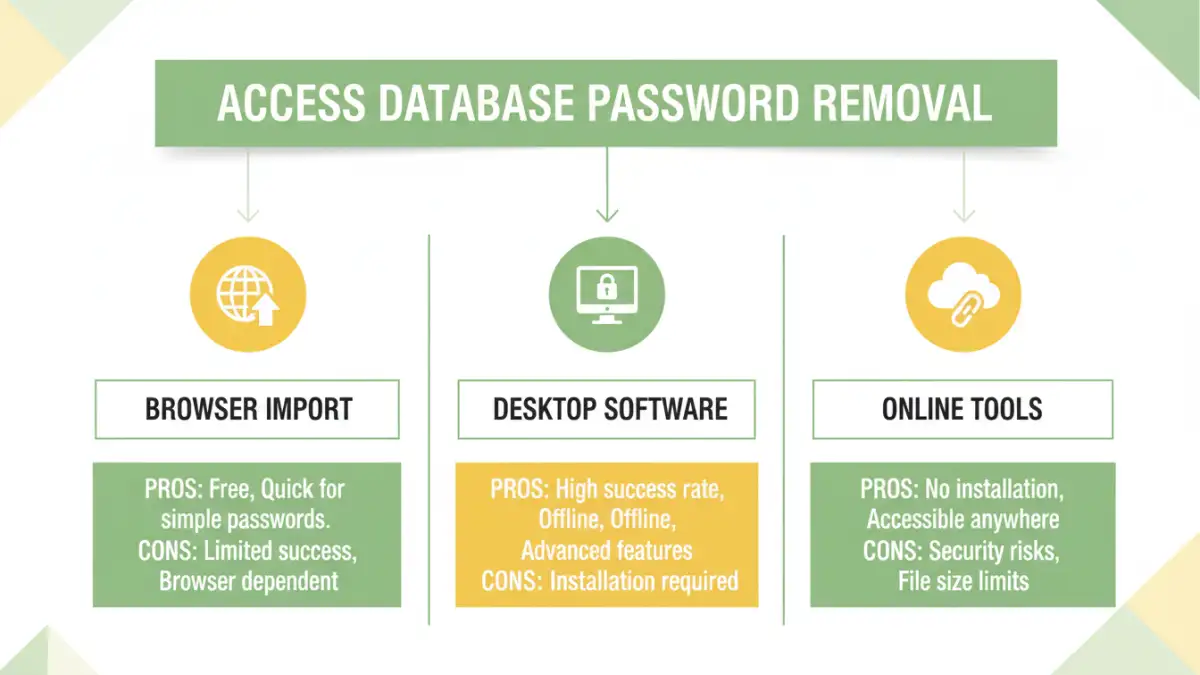
Microsoft Access uses workgroup security and user-level security to protect databases. When a database is password-protected, it means that a specific password is required to open the entire database file. This is different from table-level passwords, which protect individual tables.
Types of Access Passwords
It's crucial to distinguish between different types of passwords. A database password encrypts the entire workgroup information file or the entire database itself. Understanding the type of protection you're dealing with is the first step in deciding the best approach to remove database password.
Method 1: The Browser Trick (for older .mdb files)
This method is often the first one people try, and it can be surprisingly effective for older .mdb files that were created using older versions of Access. It leverages a quirk in how Access handles database objects.
Steps for the Browser Trick
To perform this trick, you'll need another Access database file (it can be a blank one). Open this new database, then go to File > Get External Data > Import. Browse to the password-protected .mdb file, and select it. In the dialog box that appears, choose to import the tables. If the database is only password protected (not user-level security), Access will prompt you for the password. Once entered, you can import the tables into your new database. This effectively copies the data out, bypassing the need to open the original password-protected file directly.
Method 2: Using Third-Party Tools
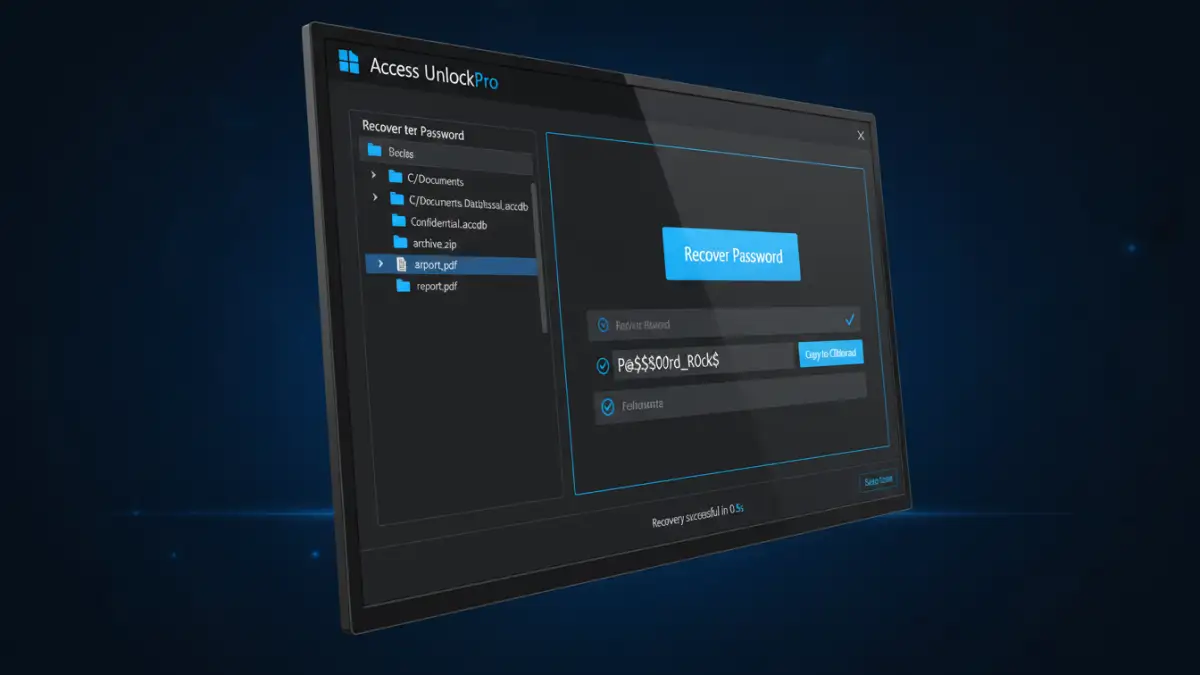
When the browser trick doesn't work, or for newer .accdb files, specialized third-party software is often the most reliable solution. These tools are designed specifically to recover or remove Access database passwords.
How Third-Party Tools Work
These applications typically work by analyzing the database file structure and attempting to either brute-force the password or exploit known vulnerabilities to remove it. Some tools offer a straightforward interface where you simply load the database file, and the tool attempts to remove the password. I've used several of these tools over the years, and their effectiveness can vary depending on the complexity of the password and the version of Access used.
Method 3: VBA Code (Limited Applicability)
For certain older versions and specific types of password protection (not full database encryption), you might be able to use VBA code. This method is less common and often not applicable to modern Access databases.
When VBA Might Help
If the password protection is applied at the user-level security or for specific objects rather than the entire database encryption, VBA code executed from a separate, unsecured database could potentially be used to reset or remove those specific passwords. However, for full database password removal on .accdb files, this method is generally not feasible.
Important Considerations and Best Practices
Before attempting to remove a password, it's essential to consider the implications. Ensure you have the legal right to access the data. If the database belongs to an organization, always seek permission from the administrator.
Security and Legality
Attempting to access a password-protected database without authorization can have legal consequences. Always ensure you are working with data you are permitted to access. For forgotten access password scenarios within your own projects, these methods are legitimate recovery tools.
Backups are Key
Before you try any method to unlock access file, especially using third-party tools, it's always wise to create a backup of the original password-protected database. This ensures that if anything goes wrong during the process, you still have the original file intact.
Comparison Table: Access Password Removal Methods
| Method | Pros | Cons | Best For |
|---|---|---|---|
| Browser Trick (.mdb) | Free, no extra software needed | Only works for older .mdb files, may not work for complex setups | Quickly extracting data from older, simply password-protected .mdb files |
| Third-Party Tools | Effective for .accdb and .mdb files, often user-friendly | Can be costly, potential privacy concerns with online tools, requires download/installation | Recovering passwords for most Access database types, especially .accdb files |
| VBA Code | Can automate password removal for specific object/user-level security | Limited applicability, doesn't work for full database encryption, requires coding knowledge | Resetting specific object passwords or user-level security in older Access versions |